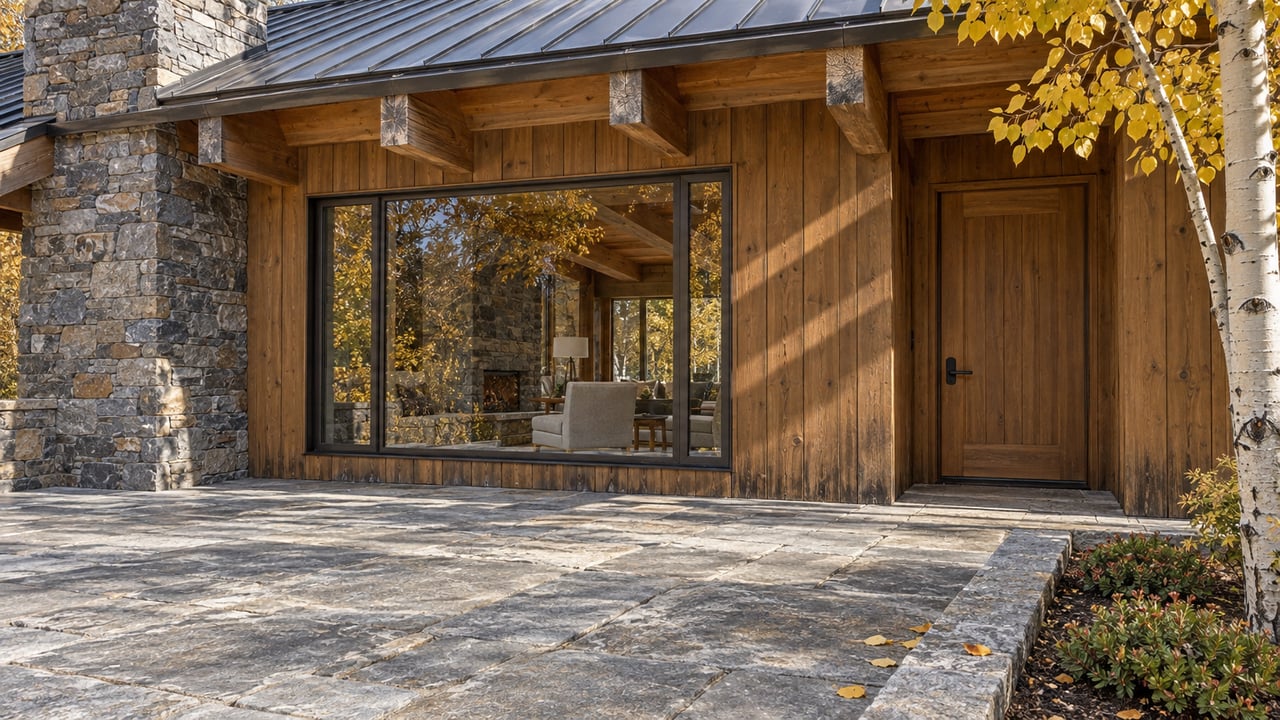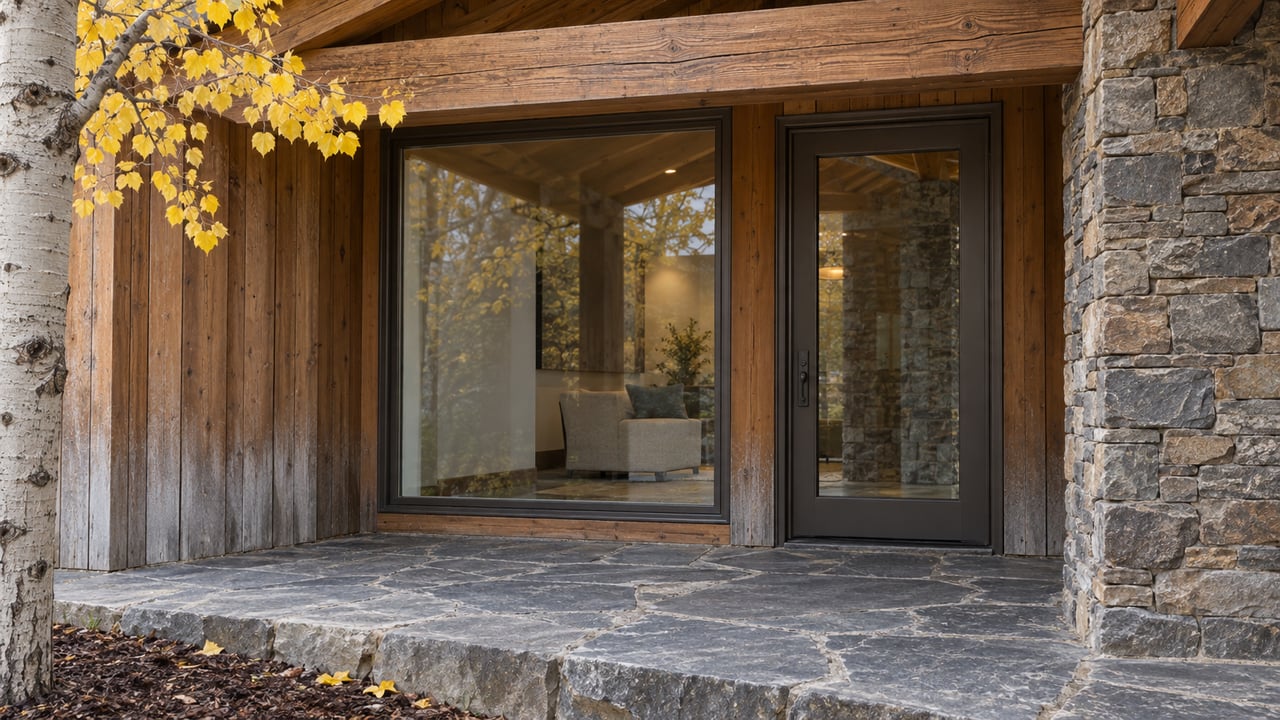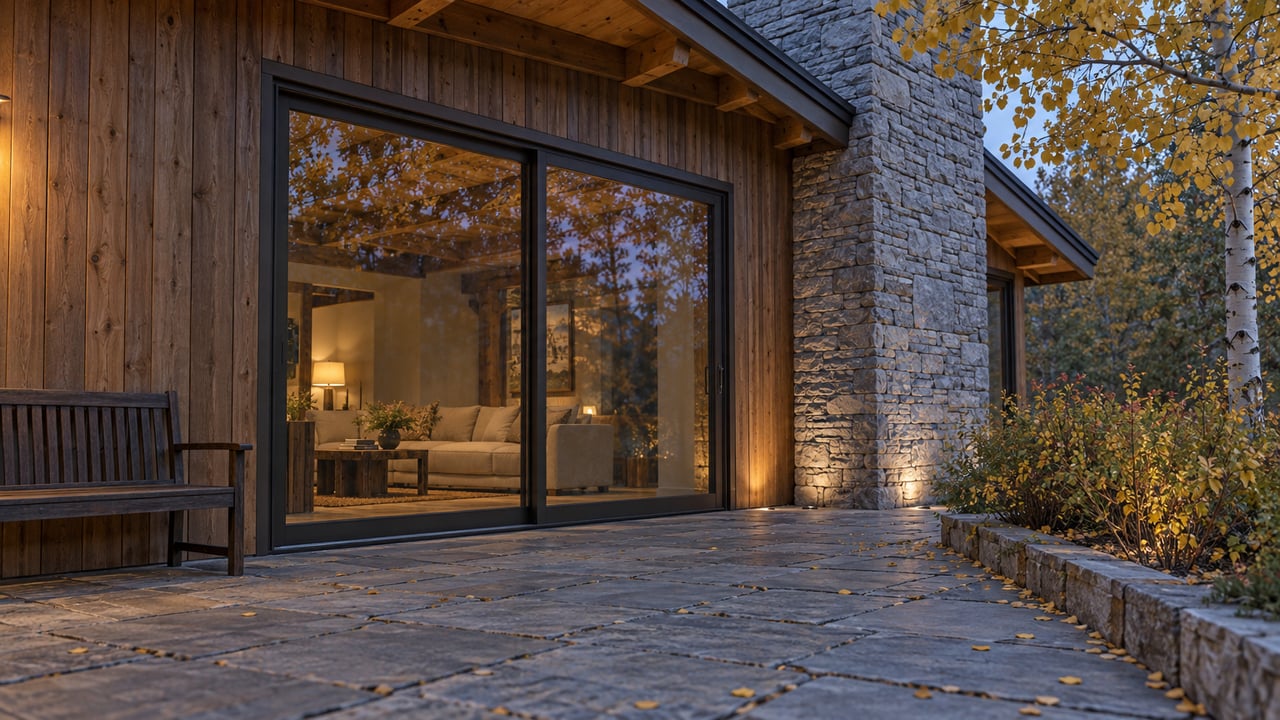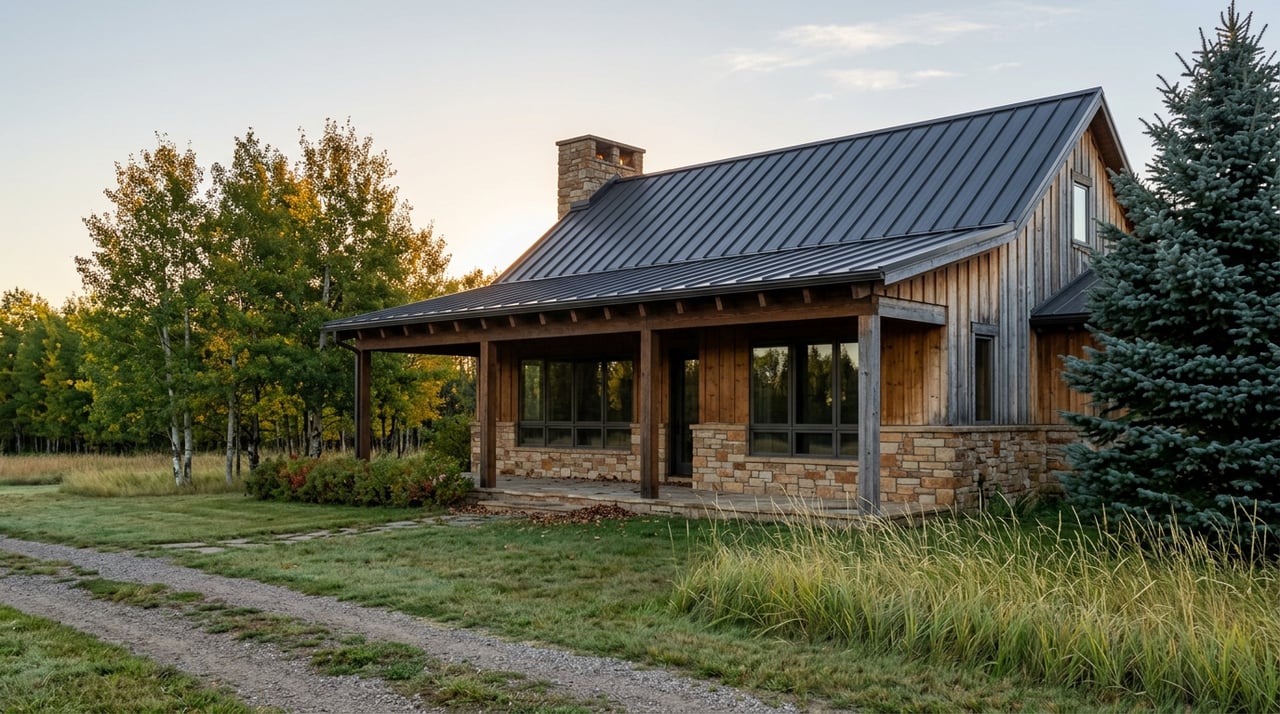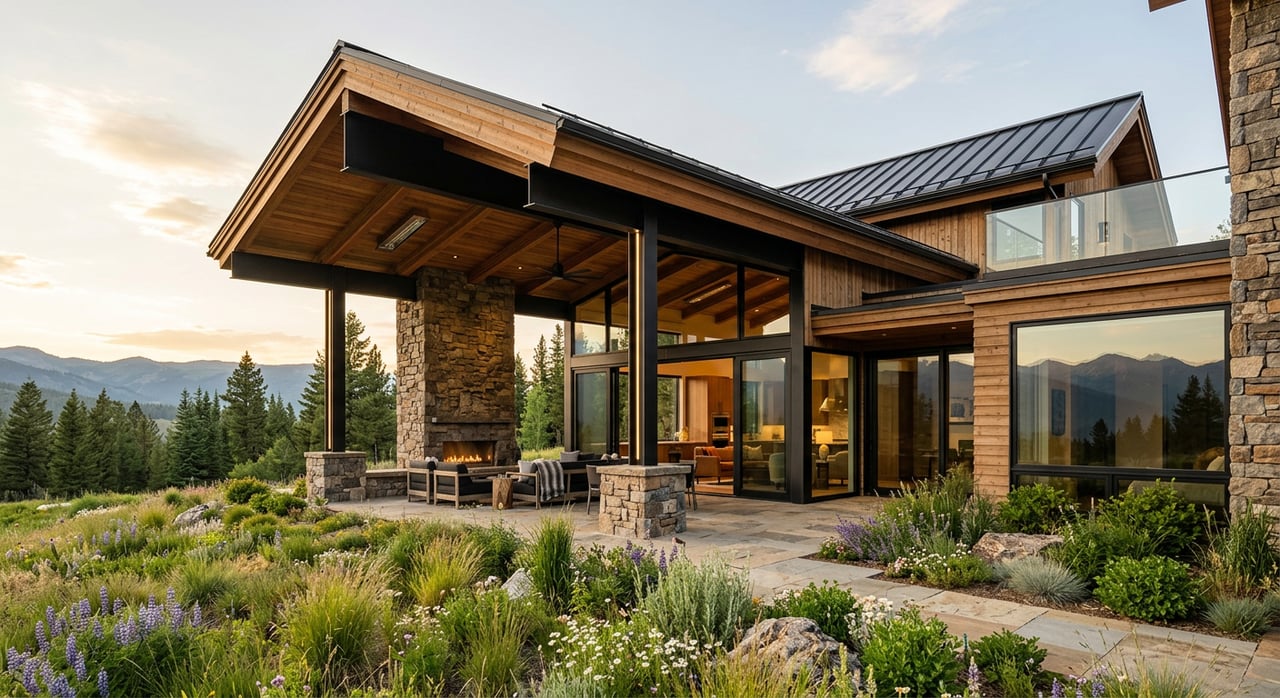
Imagine waking up to Mount Sopris glowing at sunrise, with quiet acreage and big-sky views all around. If you are exploring a custom build in Missouri Heights, you already know the setting is special, but the process can feel complex. This guide breaks down the key steps specific to Garfield County so you can move from research to action with confidence. Let’s dive in.
Why Missouri Heights is unique
Missouri Heights sits in unincorporated Garfield County, so County Community Development is your primary permitting contact, not a town office. You are building on a high, rolling plateau known for open views and wind exposure, which affects siting, foundations, and exterior materials. The landscape’s history, including the Missouri Heights School, helps explain why view corridors and scenic character matter to many owners and neighbors. For context on jurisdiction and local process, start with the county’s Community Development page and the National Register listing for the Missouri Heights School.
Wildfire resiliency is also front and center in the Roaring Fork Valley. Garfield County has announced plans to adopt the Colorado Wildfire Resiliency Code, which will influence siting, landscaping, and exterior construction choices. Track county notices on adoption here: Garfield County Wildfire Resiliency Code update.
Step 1: Pre-purchase diligence
Before you commit to a parcel, verify the basics. Confirm legal access and any recorded easements or road maintenance agreements. Check utility options and the likely water source, whether that is a future well or a local provider. For septic, plan a soils and perc evaluation early, since rural homes typically require an onsite wastewater treatment system.
Garfield County requires an OWTS application with soils data and system design for new homes. Certain soil types or pressurized systems must be designed and stamped by a Colorado-licensed Professional Engineer. Review the county’s current packet to understand submittals, fees, and inspection timing: Garfield County OWTS application packet.
Step 2: County permits
Most new builds will need a building permit, an OWTS permit, and a driveway or road access permit. The county has historically used model building codes and publishes guidance on permit types, inspections, and typical requirements in its Community Development FAQs. For rural parcels, expect to submit your OWTS application at the same time as your building permit.
For driveways connecting to a county road, plan ahead. Standards commonly include a single access per parcel unless a need is shown, a 90-degree intersection for the first 30 feet, a maximum 3 percent grade over that first 30 feet, a paved or chip-seal apron where the county road is paved, a culvert at ditch crossings, and at least 300 feet of sight distance in both directions. Get your permit before any work in the right-of-way: Road & Bridge driveway permits.
Wildfire code adoption is underway at the state and county level. Colorado’s SB23-166 created the Wildfire Resiliency Code Board, and Garfield County’s notices indicate local adoption is in progress. Confirm the final ordinance and effective date for your project, since it can affect material choices, landscaping, and potential water-supply or suppression conditions. You can review the statute here: SB23-166 overview.
Recommended sequence
- Contact Garfield County Community Development for a pre-application check to confirm setbacks, overlays, and any land-use hearings that might apply. Use the main Community Development page to find current contacts and checklists.
- Order a boundary and topographic survey plus a soils and site evaluation to inform your design and septic layout. See the county’s OWTS packet for soils guidance.
- If you plan to drill a well, start water-supply verification early with a local well professional and confirm permit specifics with the State Engineer.
- Prepare your building permit submittal and OWTS application at the same time.
- Apply for a Road & Bridge driveway permit or exemption before any work touches the county right-of-way.
Step 3: Your design team
A strong local team keeps you on track through design, permitting, and build-out. For Missouri Heights, consider this core group:
- Land surveyor for boundary, topo, and easements.
- Geotechnical/soils professional for foundation guidance and septic siting.
- OWTS designer or licensed engineer for septic design and county submittals.
- Architect or designer with rural, view-oriented experience.
- Civil engineer for driveway geometry, drainage, and culverts where needed.
- Well driller or hydrogeologist to advise on permitting and likely yields.
- General contractor or design-build team with a Garfield County track record.
Use targeted questions to test fit:
- For the surveyor: Are there recorded easements, shared access, or road maintenance requirements that affect the lot?
- For the soils engineer: Will soils support an in-ground drainfield, or will the county require an engineered or pressurized system per the OWTS standards?
- For the architect or builder: Have you permitted with Garfield County Community Development and Road & Bridge, and are you familiar with fire district expectations?
- For the well driller: Is the lot in a service area, is there an existing permit, and what pumping rate and depth are likely?
Note that Garfield County does not require general contractors to be licensed. Your diligence on references, insurance, and recent local builds is essential. The county’s FAQs outline process and inspection basics that experienced teams should already know.
Step 4: Build timeline
On rural acreage, your sequencing will look familiar but with more site work upfront.
- Finalize design and secure permits, including OWTS.
- Build driveway access after you obtain your Road & Bridge permit and install required culverts or aprons.
- Complete site grading, erosion control, and rough utilities, including well work and temporary power.
- Pour foundation and install under-slab utilities, then rough plumbing, electrical, and HVAC.
- Frame, roof, and complete the exterior envelope. On exposed, windy sites, prioritize a tight thermal shell and ignition-resistant materials consistent with current wildfire guidance.
- Proceed through inspections at milestones and secure final approvals for occupancy. Septic inspections are managed per county guidance before backfill.
A typical custom home on a Missouri Heights acreage lot can take roughly 9 to 18 months from ground-breaking to move-in. Weather, OWTS design and review, driveway approvals, and wildfire code compliance often shape timing.
Site strategy and resilience
Design for the views and the environment. Balance view capture with solar orientation and wind exposure, and consider pulling homes slightly off ridge tops if it reduces exposure and fit issues. The area’s scenic character is well documented, including the Missouri Heights School, so thoughtful siting helps maintain both comfort and community fit.
Plan for wildfire resilience from day one. Use defensible-space zones, ignition-resistant cladding and roofing, and clearly address fire-department access as part of your driveway design. For homeowner-friendly guidance, review the Roaring Fork Valley Wildfire Collaborative’s tips on reducing risk around your home. If your permit will fall under the new Wildfire Resiliency Code, confirm specific material and landscape requirements with the county.
Access matters on long drives. Budget for culverts, ditch crossings, possible snow storage, and turnarounds for trucks. The county’s Road & Bridge driveway standards outline common design expectations that can save you redesigns later.
Septic capacity can influence bedroom counts and irrigation allowances. Work early with your soils engineer and OWTS designer to size systems correctly and to understand any limits on landscape irrigation tied to your water source.
Quick buyer checklist
Before you buy:
- Verify legal access, shared road agreements, and maintenance obligations.
- Order a title report to surface easements, restrictive covenants, or scenic protections.
- Ask local well professionals about likely well-permit status and yields for the legal description.
- Schedule soils and perc testing to estimate OWTS type, size, and cost.
Before you hire:
- Confirm your architect and builder have recent Garfield County projects and references in Missouri Heights or nearby.
- Decide who will handle the OWTS site evaluation, engineered design if required, and the county Public Health submittal.
During permitting and build-out:
- Assign responsibility for the Road & Bridge driveway permit, culvert installation, and inspections, and keep a copy of the signed permit.
- Ask your team how the Wildfire Resiliency Code may change specifications for roofing, siding, vents, and landscaping.
Ready to move forward?
Your next best steps are simple. Schedule a pre-application conversation with Garfield County Community Development, line up a boundary/topo survey and soils testing, and speak with Road & Bridge about driveway feasibility before you finalize house placement. If your timing overlaps with the Wildfire Resiliency Code adoption, confirm effective dates and any added requirements so your plans are compliant from the start.
If you want local guidance on parcels with view potential, rural access considerations, and off-market opportunities across Carbondale and Missouri Heights, reach out to Corey Crocker. You will get seasoned, valley-specific advice and a calm, step-by-step plan tailored to your goals.
FAQs
What permits do you need to build in Missouri Heights?
- In unincorporated Garfield County, expect a building permit, an OWTS permit for septic, and a driveway permit if you connect to a county road. Start with Community Development.
How does septic approval work for rural lots?
- You submit an OWTS application with soils data and system design at the same time as your building permit, and engineered designs are required for certain systems or soils per the county’s OWTS packet.
Do you need a driveway permit for a private access road?
- If your driveway ties into a county-maintained road, you need a Road & Bridge permit that covers items like sight distance, culverts, and apron surfacing; see driveway permits.
Will wildfire codes affect new builds near Carbondale?
- Yes, Garfield County has announced adoption of the Colorado Wildfire Resiliency Code, which will influence materials, venting, and landscaping; monitor county notices here: Wildfire Resiliency Code update.
How long does construction usually take in Missouri Heights?
- A typical single custom home on acreage takes about 9 to 18 months from ground-breaking, with weather, OWTS design/review, driveway approvals, and wildfire requirements shaping the schedule.
Who handles inspections during the build?
- Building inspections are scheduled through the county, with electrical and plumbing inspections coordinated per county guidance; process details are in the Community Development FAQs.