Torn between strolling to coffee in downtown Basalt and stepping straight into the Roaring Fork for an evening cast? You are not alone. Choosing between in-town Basalt and riverfront or secluded homes comes down to daily routines, risk tolerance, and long-term plans. In this guide, you will compare lifestyle tradeoffs, understand costs and rules, and get a clear due diligence checklist so you can buy with confidence. Let’s dive in.
What “in‑town Basalt” really means
In-town living generally covers Old Town/Downtown, Willits Town Center, and Southside. Each pocket offers a distinct feel and convenience level.
- Old Town/Downtown: Centered on Midland Avenue and Two Rivers Road, you are near shops, restaurants, Lions Park, and town events with the highest walkability inside town limits. Explore neighborhood context through the Basalt Chamber’s neighborhood overview.
- Willits Town Center: A newer mixed-use hub with grocery options and everyday services, designed for a compact, “park once and walk” lifestyle. For a sense of the layout and amenities, flip through the town’s visitor guide in the Discover Basalt Magazine.
- Southside/Basalt Business Center/Elk Run: A practical blend of residential and light commercial uses with quick highway access and close proximity to services.
Inside town limits, you are more likely to have municipal water and sewer, simpler maintenance, and easy access to the Rio Grande Trail and parks. Confirm utility details with the Town of Basalt Planning Department.
Riverfront and secluded homes in Basalt
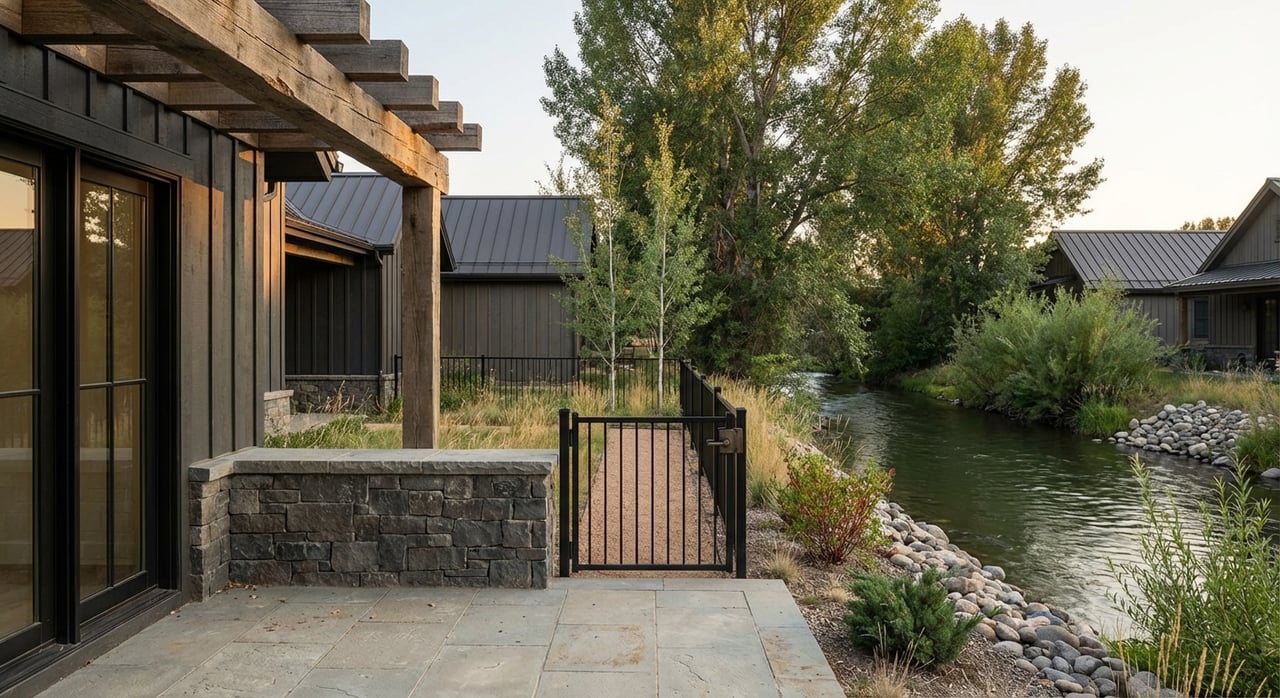
Riverfront and outlying parcels vary widely, from compact river-edge lots near Willits to larger, more private acreage upvalley. These homes offer direct river access, mountain views, and a quieter setting. They can command a premium and feel like a private retreat. In return, you take on added responsibilities and potential risks tied to the river corridor.
If daily fishing, riverside patios, and wildlife views are high priorities, riverfront living is hard to beat. Just know that immediate access brings seasonal river noise, fluctuating flows, and possible visitor traffic if you are near public parks or put-ins. Maintenance can include bank stabilization or riparian plantings, especially when water runs high. Town restoration work is ongoing, so watch for updates via the Town of Basalt Planning page.
Quick comparison: in‑town vs riverfront
| Factor | In‑Town Basalt | Riverfront/Secluded |
|---|---|---|
| Daily convenience | Walk to cafes, groceries, parks; transit access noted in local guides. | Drive to most errands; travel times vary by proximity to Hwy 82. |
| Utilities | More likely on municipal water/sewer per Town Planning. | May use wells and septic; confirm permits with the Colorado Division of Water Resources. |
| Recreation | Easy access to town parks and the Rio Grande Trail. | Immediate river access for fishing and floats, plus bigger viewscapes. |
| Privacy & noise | Community activity and event-based noise near parks and restaurants. | Can be very private or more public near parks/put-ins; seasonal river sound. |
| Flood & river risk | Lower direct exposure for most in-town parcels. | Higher scrutiny on flood zones and river-channel mobility; see FEMA updates and USGS river studies. |
| Maintenance | Smaller yards; winter sidewalk care and landscaping. | Driveways, snow, irrigation limits, riverbank care; riparian upkeep. |
| STR potential | Allowed with license and fees; verify details with the Town’s STR page. | Also license-dependent; location and design may affect appeal and cost. |
| Resale outlook | Broad buyer pool seeking convenience and year-round living. | Narrower pool seeking privacy or river access; pricing can be higher but may take longer to resell. |
Market signals to keep in mind
Basalt is a small, high-value market with wide price dispersion. Public portals reported a Basalt median listing price around 2.40 million dollars in December 2025 and a median sale price near 2.5 million dollars in January 2026. Methods vary by source and property type, so use current local comps to set expectations. River frontage and acreage often command a premium, while walkable homes in Old Town and Willits attract steady demand across seasons.
The essential due diligence checklist
Use this list early, especially if you are considering riverfront or unique parcels.
- Flood zones and river-channel risk
- Review FEMA’s current and recent update activity for Eagle County, since mapping windows changed in 2024 and 2025. Start with FEMA’s flood-map update resources.
- Ask the seller for any Elevation Certificate, prior flood insurance claims, and any FEMA LOMA or LOMR decisions. These documents can influence insurance requirements.
- For the Roaring Fork’s dynamic channel, request historical aerials and check USGS research on river mobility at Basalt. Town river restoration projects may affect local design and public access; monitor updates on the Town Planning page.
- Riparian setbacks and permits
- Confirm local setbacks and what work is allowed in or near the channel with the Town of Basalt Planning Department. Some work may require state or federal permits in addition to town approvals.
- Utilities, wells, and septic
- Inside town limits, verify municipal water and sewer availability and tap history with the Town of Basalt.
- Outside town, confirm well permits and recent pump tests through the Colorado Division of Water Resources, and review septic permits and maintenance records through the appropriate county or health department.
- Short‑term rentals and licensing
- If rental income matters, confirm whether the home is currently licensed and eligible. The Town requires an annual license, inspection, and fees, with updates effective 2025 and 2026. Review the Town’s STR licensing details.
- Taxes, metro districts, and recurring fees
- In newer neighborhoods, special or metro districts may add mill levies and infrastructure fees. Ask for the most recent property tax bill and any district budgets or notices. Add HOA dues and insurance to compare true carrying costs.
- Insurance and lending
- Get early quotes for homeowners and flood insurance, even if a property is outside the mapped flood zone. Lenders perform their own flood determinations and may require coverage. Private flood insurers are available in addition to the NFIP. Ask for the seller’s insurance claims history.
Who tends to thrive where
Choose in-town if you want daily convenience, an active community rhythm, and simpler maintenance. You will likely appreciate being close to shops, parks, and the Rio Grande Trail, with bus or shuttle connections for car-light living. Neighborhood snapshots are available through the Basalt Chamber and the Discover Basalt Magazine.
Choose riverfront or secluded living if you value privacy, sweeping natural views, and direct water access. Plan for more hands-on property care and added due diligence around flood, permits, and utilities. The Roaring Fork Conservancy interactive map helps you understand local waterways and restoration efforts.
Carrying costs many buyers underestimate
- Flood insurance premiums and any mitigation work related to utilities, vents, or bank stabilization. Start with FEMA’s update resources and request quotes early.
- Metro district mill levies and special assessments that appear on your tax bill. Compare total annual costs, not just rate percentages.
- Riverbank and landscape maintenance, including potential professional oversight for in-channel or near-channel work. For context on restoration scope and complexity, review a Basalt-focused river restoration project case study.
- Short-term rental licensing, regulatory fees, inspections, and lodging tax remittance. Review current rules on the Town’s STR page.
How to make the call in three steps
- Test-drive daily life
- Spend a full day and evening in both settings. In-town, walk to dinner, the trail, and a morning coffee. Riverfront, measure drive times to groceries, school runs, and Hwy 82 at different hours.
- Front-load the paperwork
- For any river-adjacent option, run FEMA flood checks, request elevation certificates and claims histories, and scan USGS and town restoration materials. Confirm wells, septic, and STR eligibility early using the Town Planning, DWR well resources, and FEMA update listings.
- Price the full picture
- Ask for recent tax bills, HOA and metro district schedules, utility histories, and insurance quotes. If you plan to rent, pencil in STR fees and taxes from the Town’s licensing page. Compare “all-in” numbers side by side.
A local advisor for a confident choice
The right home in Basalt matches your routine as much as your wish list. When you want seasoned guidance across Old Town, Willits, Southside, or riverfront acreage, work with a broker who blends deep local knowledge with full-service support. From off-MLS access and patient touring to due diligence, staging, property management, and Compass tools for a seamless close, you get a boutique experience with big-market capabilities. Ready to compare options and run the numbers together? Let’s talk with Corey Crocker.
FAQs
What are the current Basalt short‑term rental rules?
- The Town of Basalt requires an annual STR business license, inspection, and regulatory fees, with code updates effective 2025 and 2026; review details and fees on the Town’s STR page.
How do FEMA flood maps affect buying a Basalt riverfront home?
- If a home lies in a mapped Special Flood Hazard Area, most lenders will require flood insurance; check recent map updates and appeal notices through FEMA’s resources and ask the seller for elevation certificates and claims history.
What should I check about wells and septic outside town limits?
- Confirm the well permit status, capacity, and recent pump tests through the Colorado Division of Water Resources, and verify septic permits and maintenance records with the county or health department.
How do metro or special districts affect costs in Willits and newer areas?
- Many newer neighborhoods use special districts that add mill levies and sometimes separate utility or infrastructure fees; review the latest property tax bill and district budgets to understand total carrying costs.
How do riverfront homes differ at appraisal and lending?
- Unique access, utilities, and river-related risks can make underwriting and comparable sales more complex; start with a local lender and get early insurance quotes to avoid surprises during underwriting.