Wondering whether to keep your Aspen Glen second home or let it go? That question can feel surprisingly emotional, especially when a property has been part of family routines, holidays, and mountain getaways for years. The good news is that you can make a smart decision by looking at a few clear factors: how much you use the home, what it costs to carry, and what today’s market may mean if you decide to sell. Let’s dive in.
Why This Decision Feels Different in Aspen Glen
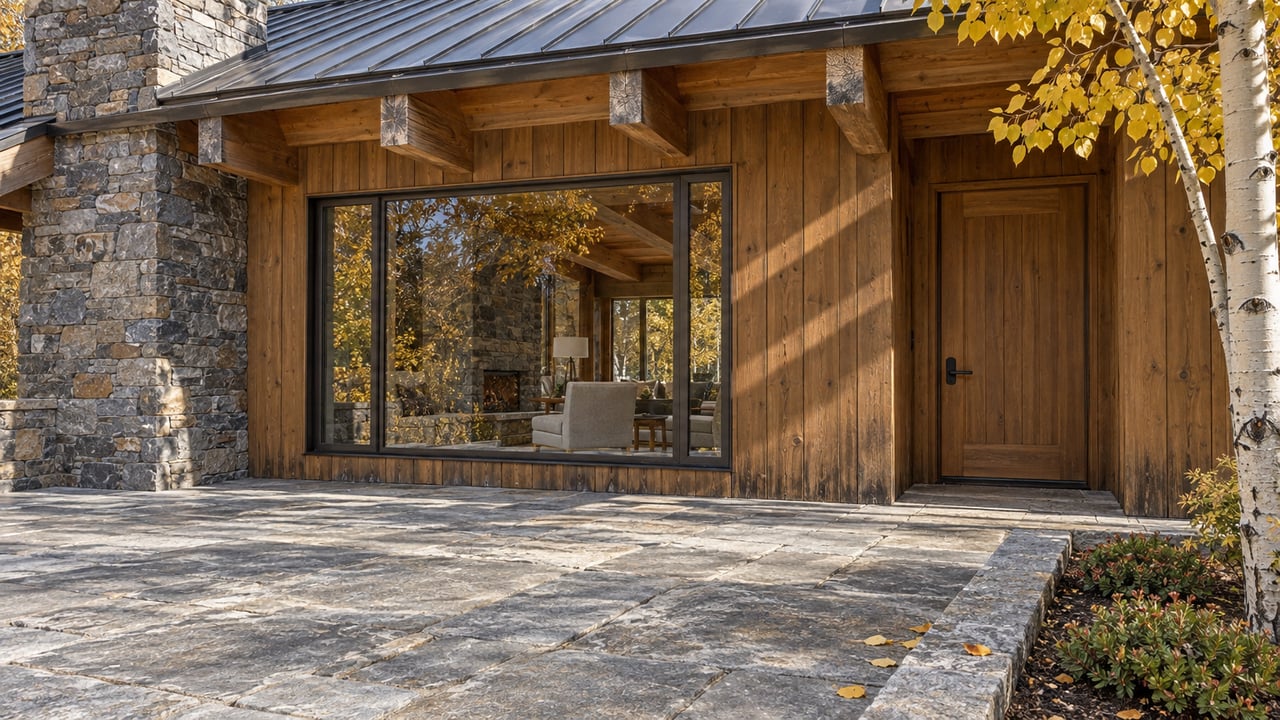
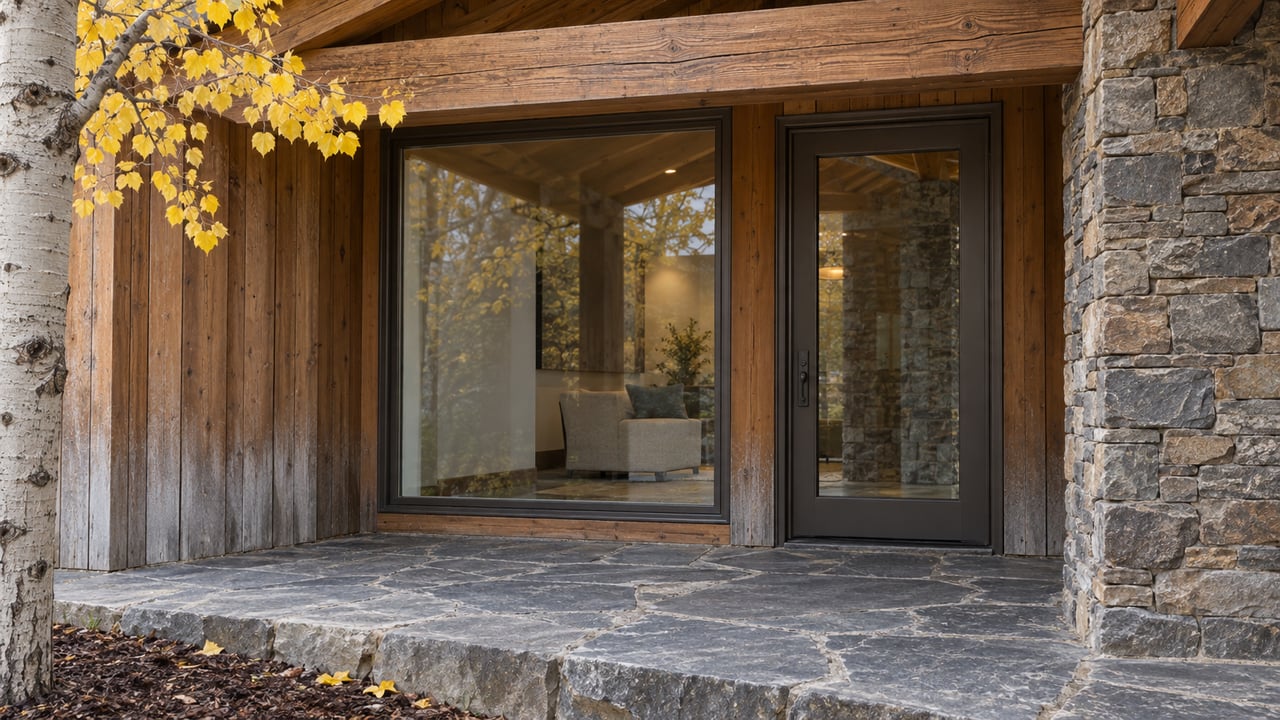
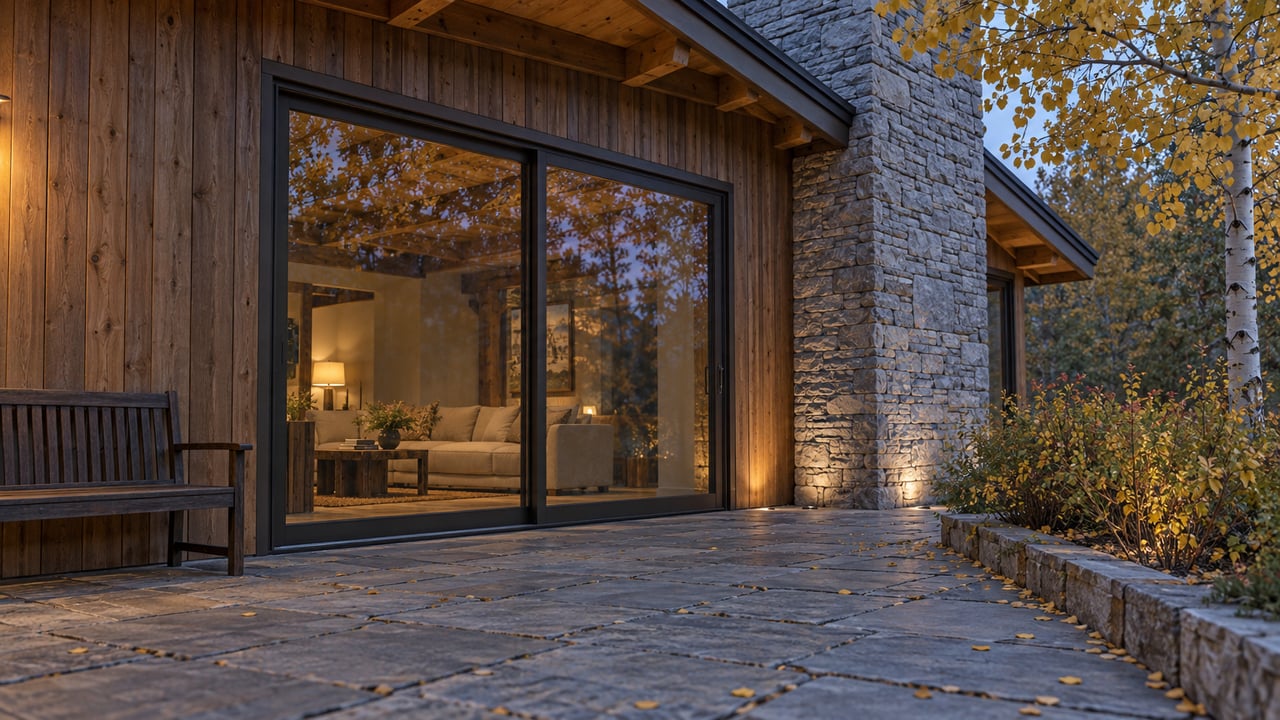
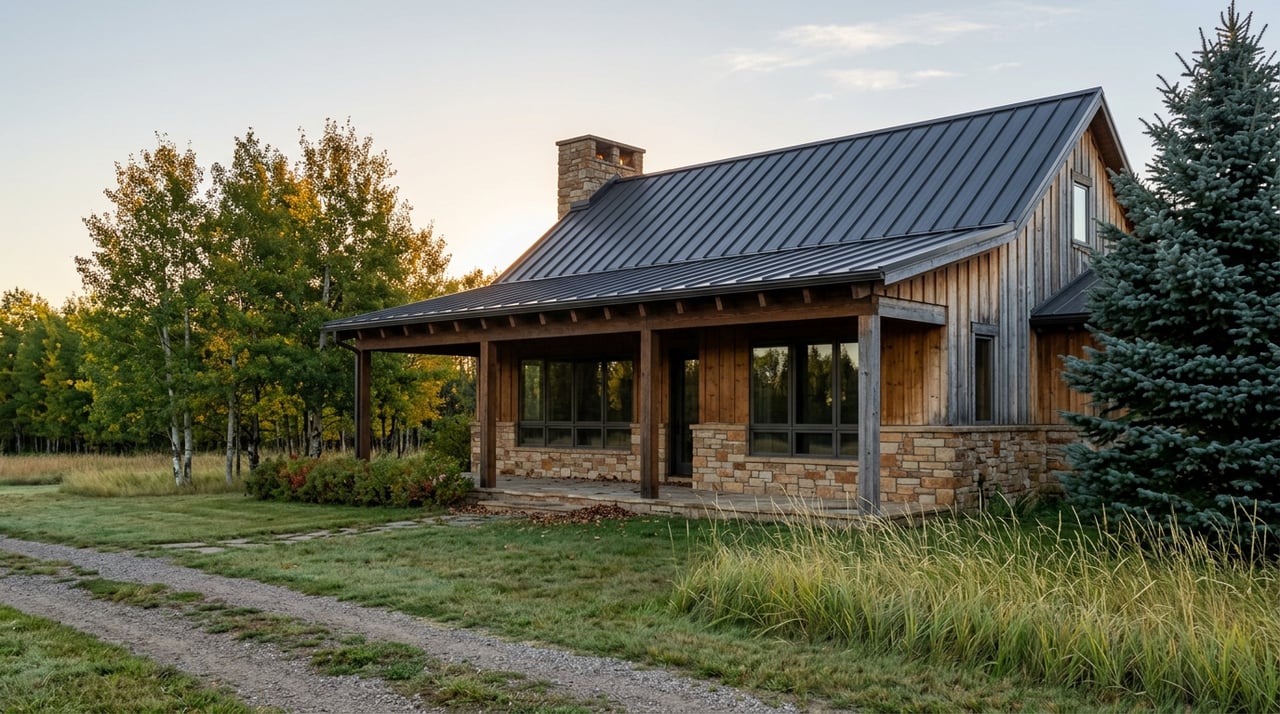
Aspen Glen is not just any second-home community in Garfield County. It is a Roaring Fork Valley community about two miles from Carbondale and roughly thirty miles from Aspen, with a golf-course setting, a master association, and in some cases sub-associations depending on the property type.
For many owners, that means the home carries both financial value and lifestyle value. The club and clubhouse sit at the center of that experience, along with amenities described by Aspen Glen materials such as golf, tennis, pickleball, pool, dining, fitness, spa, and clubhouse services.
That is why a keep-or-sell choice here is rarely just about numbers. You are really deciding whether the home still supports the life you want, or whether it has become a property you carry more than you enjoy.
Start With One Honest Question
Before you look at pricing, taxes, or timing, ask yourself this: If you did not already own this home, would you buy it again today?
That question cuts through habit and sentiment. It helps you focus on present-day value, not just past memories or the effort it took to purchase the property in the first place.
If your answer is yes, keeping the home may still make sense. If your answer is no, it may be time to look more closely at whether selling would simplify your life.
When Keeping the Home Makes Sense
Keeping an Aspen Glen second home can be the right move when the property still works as a real seasonal base. If you use it often, enjoy the club-centered lifestyle, and feel the ownership experience is still manageable, the home may still be doing exactly what it was meant to do.
You Use the Home Regularly
A second home tends to feel worthwhile when it gets used in a normal year, not just during one or two special trips. If Aspen Glen is part of your family’s regular rhythm for summer, holidays, golf weekends, or mountain time, that consistency matters.
Frequent use can justify the ongoing costs more easily. It also means the home is likely serving a real purpose rather than sitting mostly vacant.
The Lifestyle Still Feels Worth It
Aspen Glen’s appeal is tied closely to its amenities and community structure. If golf, dining, fitness, tennis, pickleball, pool access, and clubhouse services still add meaning and convenience to your time in the valley, the property may remain a strong lifestyle asset.
For some owners, that value is hard to measure on a spreadsheet. If the home gives you a reliable, enjoyable base near Carbondale with easy access to the broader Roaring Fork Valley, that may be reason enough to hold.
Ownership Still Feels Easy
A second home should not feel like a constant project. If your travel patterns, upkeep systems, and overall carrying costs still feel comfortable, keeping the home may be the simpler path.
This matters even more for absentee owners. When a property feels easy to own from a distance, it often keeps its place in your life much longer.
When Selling Starts to Make More Sense
Selling becomes more compelling when the home has shifted from a benefit to a burden. That shift can happen gradually, which is why many owners stay on the fence longer than they expect.
Usage Has Dropped Off
If you are visiting less often than you used to, pay attention to that trend. A home that once felt central to your lifestyle can quietly become an infrequently used asset.
That does not automatically mean you should sell. It does mean you should ask whether the property still earns its place in your financial life and calendar.
Carrying Costs Feel Heavier
In Aspen Glen, carrying costs are not limited to a mortgage or property taxes. Garfield County says property taxes are based on assessed value multiplied by the applicable mill levy, and the current valuation cycle for 2025 and 2026 uses a June 30, 2024 appraisal date.
It is also important to remember that Colorado’s senior homestead exemption is tied to an owner-occupied primary residence, so a second home generally would not qualify. For many owners, that means the tax picture may be less favorable than it would be for a primary home.
Insurance is another major line item. Colorado’s Division of Insurance says homeowners and HOAs continue to face insurance-market challenges, and 2025 legislation requires annual written notice when insurers use wildfire-risk models or risk scores.
In practical terms, your review should include taxes, insurance, and HOA assessments together, not one at a time. If those costs feel harder to justify in relation to your actual use, selling may deserve serious consideration.
HOA and Improvement Logistics Add Friction
Aspen Glen ownership comes with association structure and review requirements that can affect both ownership and sale preparation. The HOA says master-association assessments apply to all owners, and some neighborhoods also have sub-association assessments.
The design-review committee must approve work before building permits are issued, and the HOA also publishes review and construction fees. If you are thinking about pre-listing improvements, that can add time, coordination, and cost before your home ever reaches the market.
For some owners, that process is manageable. For others, it becomes one more reason to simplify.
What the Market Is Signaling Right Now
If you are leaning toward selling, market conditions matter. Right now, the broader upper-valley market data suggests you should plan carefully rather than assume a quick, competitive sale.
According to the Aspen Board of REALTORS® May 2026 updates, Carbondale single-family year-to-date median sales price was $1.575 million, with 70 homes in inventory, 6.7 months of supply, and 153 days on market. In Aspen single-family, the year-to-date median sales price was $10.625 million, with 77 homes in inventory, 13.2 months of supply, and 261 days on market.
These figures are not a direct snapshot of Aspen Glen alone, but they do show a market that is not especially tight. Elevated inventory, longer market times, and higher months of supply all point to the same takeaway: pricing and presentation matter.
That is especially important for second-home sellers who may assume that an Aspen-adjacent address automatically creates urgency. In this environment, a strong result is more likely to come from thoughtful preparation and realistic positioning.
How Aspen Glen Sales Data Fits In
Garfield County’s 2025 to 2026 condo and townhome comparable-sales report includes Aspen Glen and Peaks at Aspen Glen transactions around $1.35 million, $1.625 million, $1.795 million, $2.1 million, $2.325 million, and $2.365 million.
Those figures are useful context, but they are not the same thing as a live 2026 MLS reading. The county assessor notes that comparable sales are used for valuation, and those reports reflect the appraisal window used for the tax cycle.
In other words, these numbers can help frame value, but they should not be treated as a full picture of what your home would sell for today. Property type, condition, location within Aspen Glen, updates, and buyer demand all still matter.
A Simple Keep-or-Sell Checklist
If you are undecided, use this short checklist to clarify your next step:
- How often do you actually use the home in a normal year?
- If you keep it, does ownership still feel easy?
- Are property taxes, insurance, and HOA assessments still comfortable if the market stays slower?
- Would you buy this property today at current market levels?
- Would simplifying now feel better than continuing to carry a home you rarely use?
You do not need all five answers to point the same way. But if most of them lean toward one side, your decision may already be clearer than you think.
If You Decide to Keep It
If you plan to hold the property, it helps to treat that as an active choice rather than a default one. Review your annual carrying costs, confirm your insurance picture, and think about whether the home still fits your travel and family patterns.
You may also want to think ahead about future projects. In Aspen Glen, any improvement timeline should account for HOA review requirements and related fees before permits are issued.
If You Decide to Sell It
If selling feels like the better move, preparation matters. In a market with more supply and longer selling timelines, a polished launch can make a meaningful difference.
That means thinking carefully about pricing, presentation, and any pre-listing work that may help the home compete. It also means weighing whether the effort and cost of improvements make sense given HOA review steps and your likely return.
A measured plan is usually better than a rushed one. Especially in a second-home market, buyers tend to respond best to homes that feel turnkey, well-positioned, and clearly valued.
The Right Answer Is the One That Fits Your Life
There is no universal right answer for every Aspen Glen owner. Some second homes still deliver exactly what they should: easy access to the valley, meaningful family time, and a lifestyle that feels worth the cost. Others slowly become expensive, low-use properties that no longer match how you live.
If you are on the fence, start with the facts and then listen to what your own patterns are telling you. The clearest answer usually comes when you look honestly at use, cost, and whether the home still feels like a privilege to own rather than a responsibility to manage.
If you want a discreet, local perspective on what your Aspen Glen property might command in today’s market, Corey Crocker can help you evaluate your options with patience, clarity, and valley-specific insight.
FAQs
Should you keep an Aspen Glen second home if you only use it a few times a year?
- If the home gets limited use and carrying costs feel high relative to that use, selling may be worth considering.
What costs should you review before deciding to sell an Aspen Glen second home?
- Review property taxes, insurance, HOA master-association assessments, any sub-association assessments, and likely maintenance or improvement costs.
How do HOA rules affect selling a home in Aspen Glen?
- HOA review requirements and published review or construction fees can add time and cost if you plan improvements before listing.
What does the current Roaring Fork Valley market mean for Aspen Glen sellers?
- Broader Carbondale and Aspen market data points to a market where pricing, preparation, and presentation matter because inventory and days on market are elevated.
Are Aspen Glen property tax breaks available for a second home?
- Garfield County says Colorado’s senior homestead exemption is tied to an owner-occupied primary residence, so a second home generally would not qualify.
How can you tell if an Aspen Glen home is still worth keeping?
- Ask whether you use it often, whether ownership still feels easy, and whether you would buy the same property again today at current market levels.