Looking near Aspen but hoping for a little more breathing room? That is exactly why Basalt often enters the conversation. If you want easier day-to-day living, meaningful river access, and a lower pricing profile than Aspen, Basalt is worth a serious look. Let’s dive in.
Why Basalt draws Aspen buyers
Basalt sits in the Roaring Fork Valley and spans both Eagle and Pitkin counties. Town information notes an incorporated population of more than 3,929, with a daily transit population above 40,000 in both winter and summer. That tells you something important right away: Basalt is active, connected, and very much part of the valley’s daily rhythm.
It also does not feel like a single compact resort core. Basalt’s planning materials identify four distinct areas: Historic Downtown, Aspen Junction, Willits, and Southside. That broader layout can appeal to buyers who want to stay in the same valley as Aspen while exploring a more neighborhood-oriented setting.
For many Aspen-focused buyers, that shift matters. Instead of centering your search only around a dense resort environment, you can consider a town with multiple residential patterns, local services, and its own identity. Basalt is not simply a fallback option. For the right buyer, it is the better fit.
Basalt offers more everyday space
One of Basalt’s biggest advantages is how it lives on a daily basis. The town’s form creates a different experience from Aspen’s tighter core, with linked districts rather than one concentrated center. That can translate into a less compressed feel as you move between home, errands, dining, and outdoor time.
Willits is a good example. The town’s wayfinding materials describe Willits Town Center as a shopping, dining, and entertainment hub with both single-family and multi-family neighborhoods nearby. That mix gives buyers more ways to match lifestyle and property type without giving up convenience.
This broader housing pattern is part of Basalt’s appeal. If you want a detached home, an attached property, or a neighborhood that feels more residential than resort-centered, Basalt gives you more room to compare options. For buyers balancing Aspen access with livability, that flexibility can be a real advantage.
Aspen access stays practical
Basalt is about 19 miles from Aspen along SH-82, according to town project materials. For buyers who still plan to spend time in Aspen for dining, recreation, or seasonal events, that distance keeps Basalt firmly connected to the Aspen side of the valley. You are not stepping away from Aspen entirely. You are changing how you live around it.
Transit and mobility also help support that choice. Basalt offers free on-demand rides between downtown Basalt, Willits, and nearby neighborhoods every day from 7 a.m. to 10 a.m. and again from 3 p.m. to 10 p.m. RFTA’s Roaring Fork Valley Local and VelociRFTA BRT run seven days a week, which adds another layer of regional access.
Aspen, in turn, has free shuttle routes, the Downtowner, and RFTA connections, plus free bus service between Aspen and the Aspen-Pitkin County Airport. This means you can often combine driving, local rides, and transit depending on the day. For many buyers, that mixed-access lifestyle is more appealing than being fully dependent on Aspen’s downtown core.
Basalt can ease parking friction
Convenience is not just about distance. It is also about what daily logistics feel like once you arrive. In Aspen’s downtown core, parking is metered and enforced from 10 a.m. to 6 p.m., with a four-hour limit, seasonal rates, and overnight restrictions in the commercial core.
That setup works for many people, but not everyone wants their routine shaped by tighter parking rules. Basalt offers a different kind of convenience, especially for buyers who prefer a town where local movement may feel more straightforward. If you want access to Aspen without living inside Aspen’s more regulated parking environment, Basalt deserves a close look.
River access is a real lifestyle feature
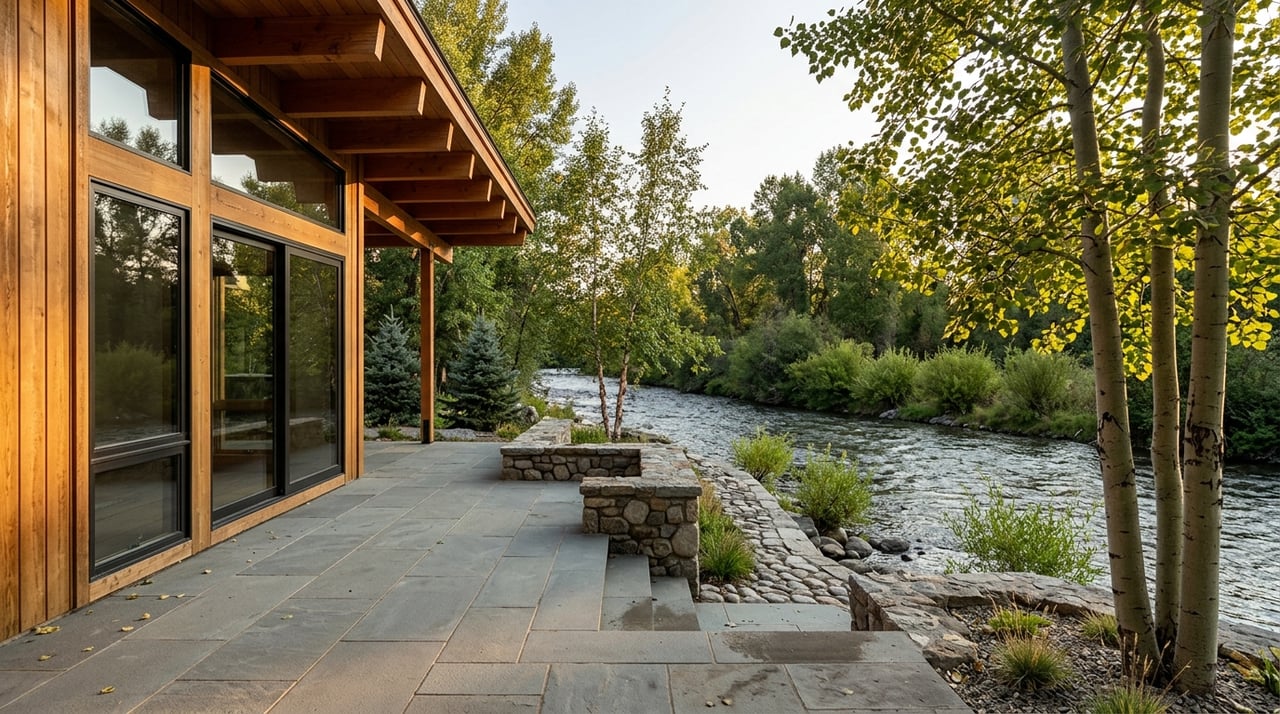
Basalt’s identity is strongly tied to the confluence of the Fryingpan and Roaring Fork rivers. This is not a town where the river is just scenery in the background. In Basalt, river access is part of how many people use the town.
The town’s parks inventory includes several locations with fishing or river access and boat launches, including Duroux Park, Fisherman’s Park, Midland Park, and Old Pond Park. That gives you multiple ways to enjoy the water, whether your idea of a good afternoon is casting a line, walking near the river, or launching a boat.
Colorado Parks and Wildlife notes that the Roaring Fork River offers quality-sized trout and that most stretches have public access points for shore, wade, and float anglers. Basalt’s river stewardship materials also highlight Gold Medal Waters and Wild Trout Waters on the Roaring Fork and Fryingpan. For buyers who want daily connection to the outdoors, that is a meaningful distinction.
Outdoor living feels built into town life
In some places, outdoor access is something you drive to. In Basalt, it is woven into the civic environment. Town materials highlight a river-corridor tree canopy along Two Rivers Road, and Basalt River Park hosts summer concerts and river-centered events.
That blend of town life and outdoor setting helps explain Basalt’s appeal. You are not choosing between convenience and recreation in quite the same way. Parks, trails, river spaces, and community events all play a role in how the town functions.
For Aspen buyers comparing lifestyles, this is worth paying attention to. Aspen offers immediate resort-core access, while Basalt offers a more everyday river-town rhythm. Depending on what you want from your second home or full-time home, that difference can be decisive.
Relative value is hard to ignore
For many buyers, the pricing conversation is what pushes Basalt from “interesting” to “serious contender.” Aspen Board of REALTORS® March 2026 market updates show a substantial gap between Aspen and Basalt. Basalt’s year-to-date median sales price was $1.875 million for single-family homes and $1.4 million for townhouse and condo properties, while Aspen’s comparable figures were $12.75 million and $4.075 million.
Those numbers come with an important caveat. The reports note that small sample sizes can make monthly figures look extreme, so they are best used as directional context, not as a guarantee of current pricing. Still, the overall spread is significant and useful for framing your search.
If you are looking for Aspen proximity without Aspen’s top-end pricing profile, Basalt may offer a very different entry point. That does not mean Basalt is inexpensive. It means your budget may buy a different combination of space, housing type, and everyday livability in Basalt than it would in Aspen.
What kind of housing mix to expect
Basalt’s planning documents describe both single-family and multi-family neighborhoods, and local market reporting tracks detached homes separately from townhouse and condo properties. That gives you a practical shorthand for the town’s range. You can expect a broader mix than you might find in a more tightly concentrated resort setting.
This matters if you are still narrowing your priorities. Some buyers want a lock-and-leave townhouse or condo with easier maintenance. Others want a detached home and a more residential feel. Basalt can support both types of searches, which makes it especially useful for buyers who want options before committing to one lifestyle format.
Who Basalt fits best
Basalt tends to make the most sense for buyers who want to stay connected to Aspen but do not need to live in its center every day. You may be a strong fit for Basalt if you value:
- A more neighborhood-oriented town layout
- Regular river access and parks
- Transit options for mixed driving and car-light days
- A wider housing mix across detached and attached homes
- Relative value compared with Aspen’s current median price levels
That combination is why Basalt continues to draw attention from both full-time and second-home buyers. It offers a different balance of access, outdoor lifestyle, and daily comfort.
Final thoughts on Basalt versus Aspen
If your search starts in Aspen, it can be smart to let Basalt into the conversation early. Basalt gives you a distinct town structure, practical access along SH-82, strong river-centered recreation, and a pricing profile that is meaningfully lower than Aspen’s based on current local market medians. For many buyers, that adds up to more flexibility and a more comfortable fit.
The key is not deciding which town is universally better. It is deciding which one aligns better with how you actually want to live in the Roaring Fork Valley. If you want patient guidance on Basalt neighborhoods, off-market possibilities, or the tradeoffs between Aspen and the mid-valley, Corey Crocker can help you search with clarity and discretion.
FAQs
How far is Basalt from Aspen?
- Basalt is about 19 miles from Aspen along SH-82, according to Town of Basalt project materials.
Can you use transit between Basalt and Aspen?
- Yes. Basalt has free on-demand local rides during morning and afternoon-evening service windows, RFTA service runs seven days a week, and Aspen also offers free shuttles and local mobility options.
Is river access in Basalt actually meaningful for buyers?
- Yes. Basalt has multiple parks with fishing or river access and boat launches, and Colorado Parks and Wildlife notes public access points along much of the Roaring Fork River.
What housing types can buyers expect in Basalt?
- Basalt includes both single-family and multi-family neighborhoods, and local market reports track detached homes separately from townhouse and condo properties.
Why do Aspen buyers look at Basalt for value?
- Current local market medians show Basalt at substantially lower price levels than Aspen, which can give buyers a different entry point for space, property type, and day-to-day livability.