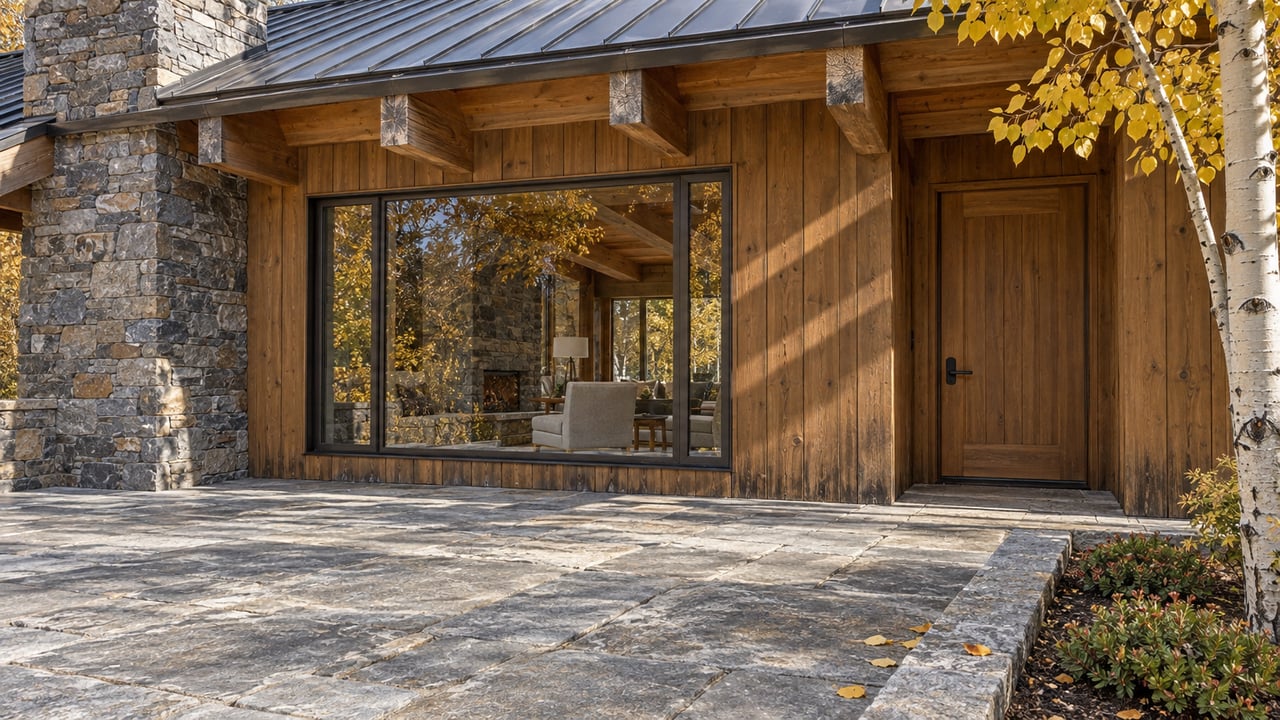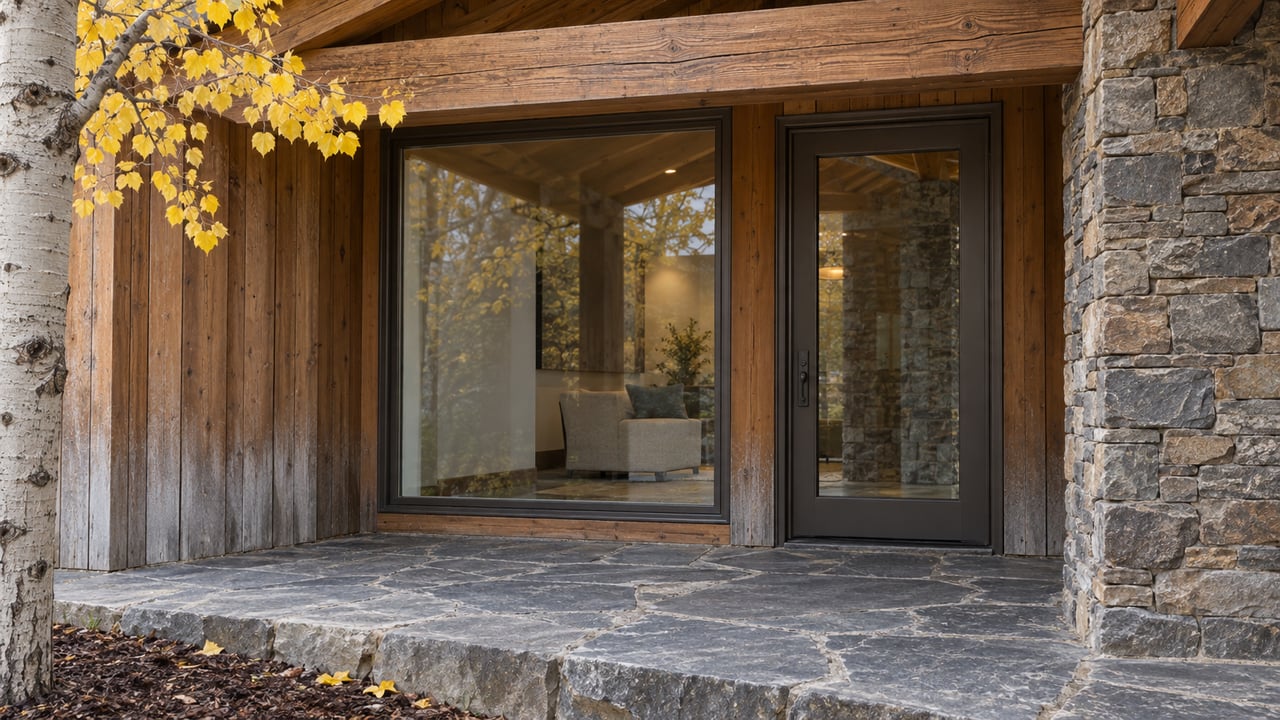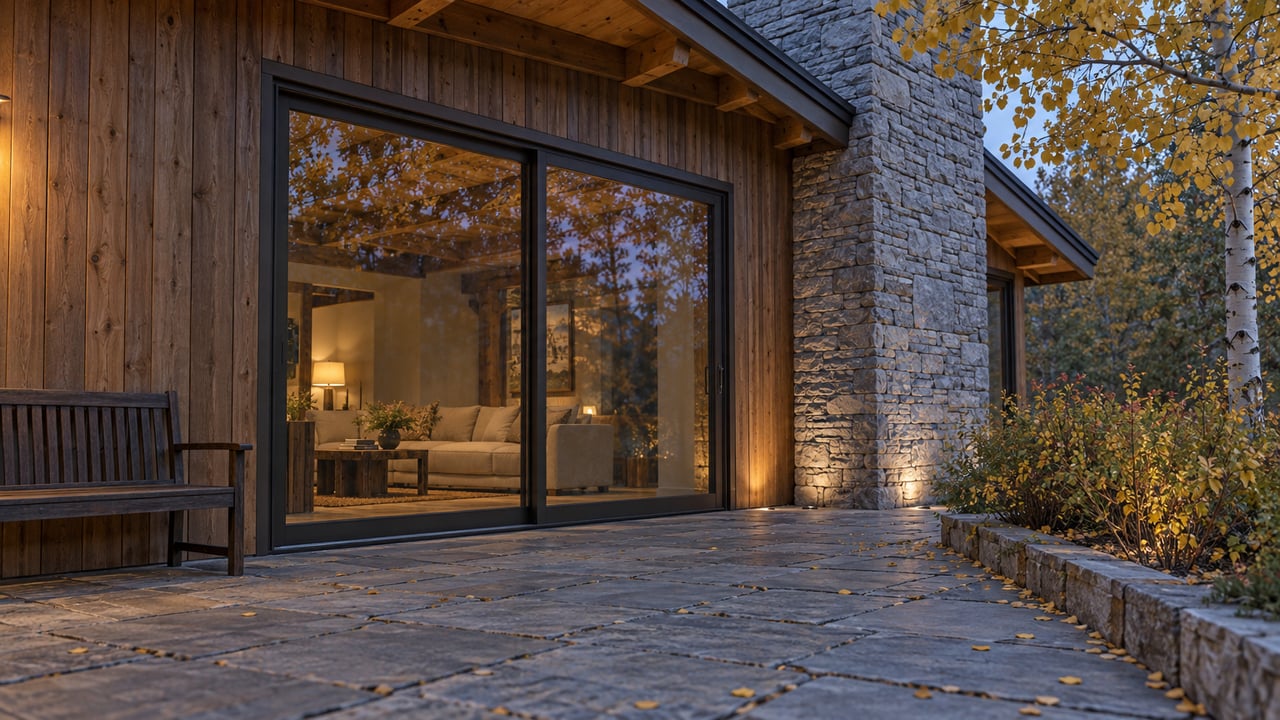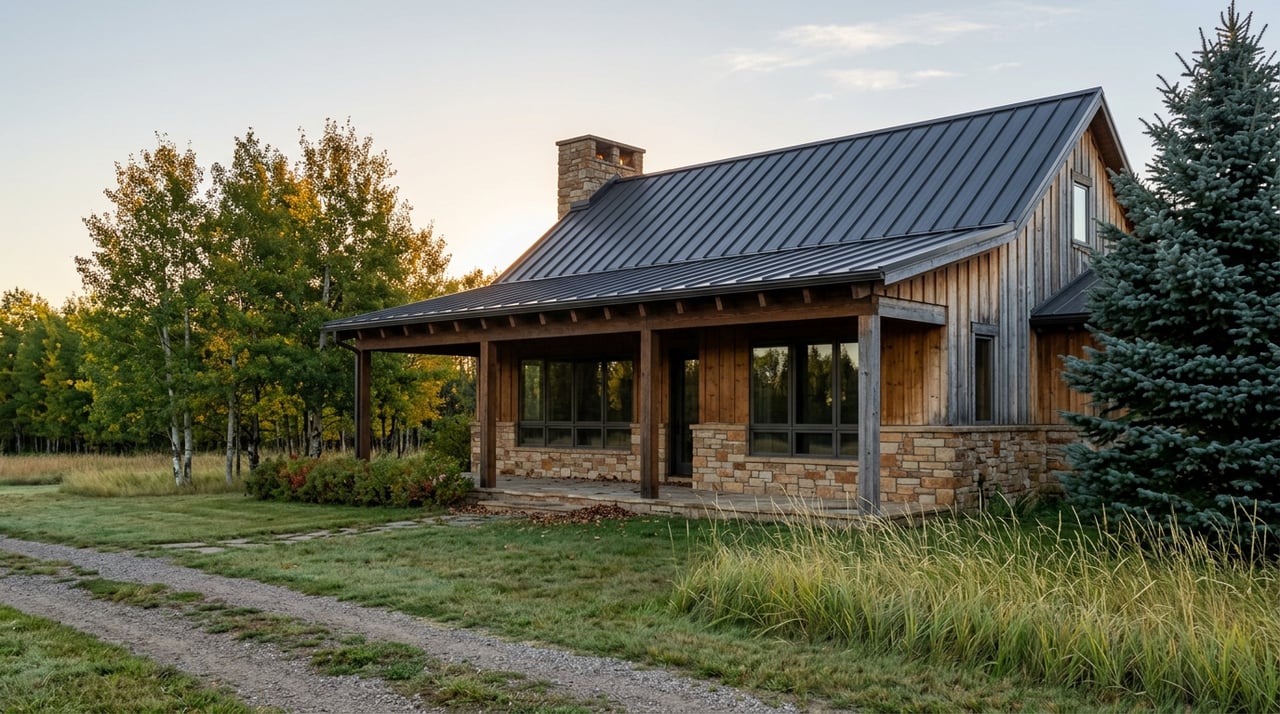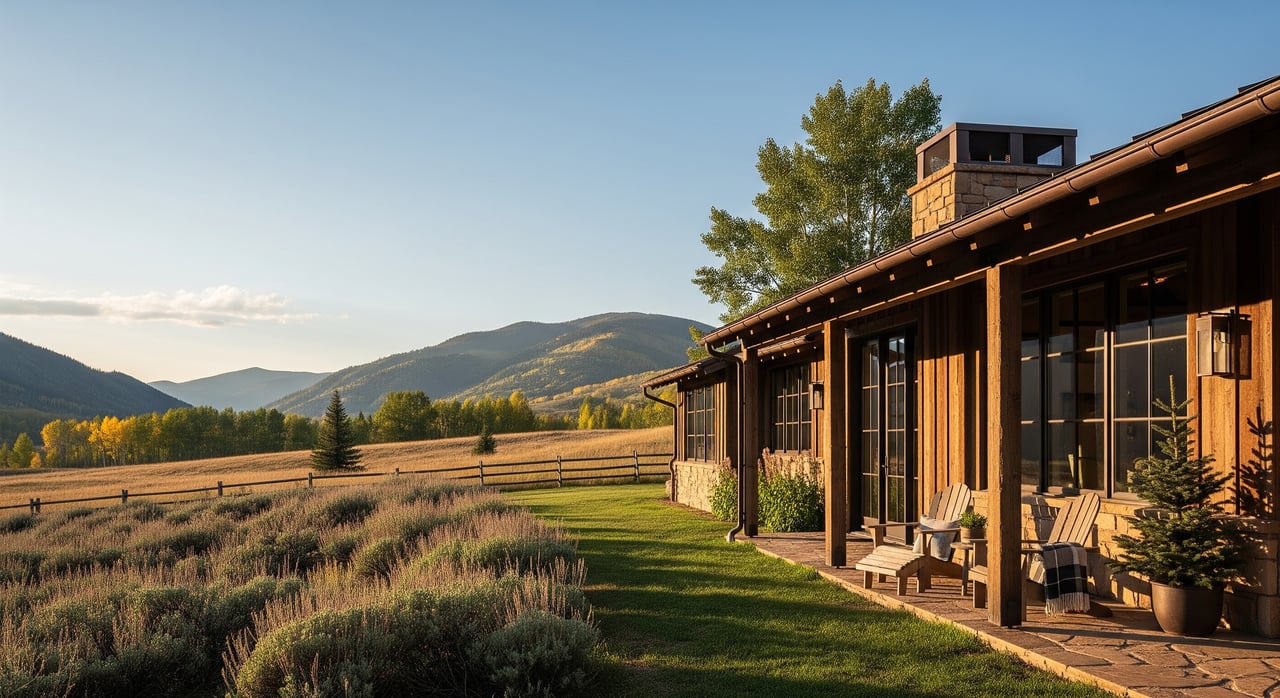
Getting a ranch in Old Snowmass ready to sell is different from staging a city home. Buyers look hard at wells, septic systems, access, water rights and outbuildings, not just countertops and paint. If you plan ahead and focus on the items rural buyers value most, you can shorten your timeline and protect your price.
This guide walks you through a practical plan tailored to Old Snowmass. You will see what to fix first, which documents to gather, how seasonality affects timing, and how to showcase acreage the right way. Let’s dive in.
Know your Old Snowmass setting
Old Snowmass is rural, with large parcels, pastures, ditches and river or stream frontage. Many properties include barns, corrals, guest cabins, equipment sheds and private drives. That means more touchpoints for buyers and inspectors.
Seasonal timing matters. Winters are snowy, spring brings thaw and mud, and the best exterior work windows run from late spring to early fall. Plan inspections, photography and repairs around this calendar so you do not lose precious weeks.
Build your pre-list timeline
Every property is unique, but most sellers can plan around these ranges:
- Cosmetic clean-up, light repairs and documents: 2 to 8 weeks
- Septic pumping and inspection, well testing and minor fixes: 4 to 12 weeks
- Major or permitted work like roof or septic replacement: 3 to 9 months
- Water-rights, easements or title clean-up: weeks to months, depending on complexity
Start with a walk-through and a punch list. Book key inspections first, then schedule contractors in order of impact on safety, financing and insurability.
Tackle priority repairs and safety items
Structures and deferred maintenance
Focus on visible integrity and function. Inspect roofs, gutters, siding, foundations and chimneys. Repair or replace failing elements and keep bids on file if larger work must be handed to the next owner. Clean and secure outbuildings, including doors, locks and lighting. Confirm whether each structure was permitted or is a legal, pre-existing nonconforming use. Fix window and door seals to improve energy perception.
Gather permits, invoices and warranties so buyers see a responsible maintenance record.
Utilities and systems
Septic and well documentation is central for acreage buyers. Have records of the last septic service and inspection, and consider a pre-listing inspection if it has been years or if there are signs of trouble. For wells, compile the well log, pump service records and recent water-quality test results for bacteria and nitrates. Confirm that the well is permitted.
Check propane or fuel tanks and electrical service. Remedy exposed wiring and overloaded panels before inspection. Make a simple note sheet on internet and cell options for the property, since rural connectivity is a common buyer question.
Access, gates and driveways
Long driveways and private roads need to be passable and clearly marked. Grade rough sections, clear culverts and confirm emergency-vehicle access with the local fire district if needed. Ensure gates work smoothly and set up a lockbox or coded entry. Identify safe parking areas for showings and include them in your instructions.
Fencing, corrals and pasture
Buyers notice stewardship. Repair sagging fences, broken posts and stubborn gates. Address obvious weed patches and mow or bale fields ahead of photography. Check irrigation headgates and diversion points, and note any responsibility to maintain shared ditches. A tidy, functional landscape signals lower risk and easier takeover for the next owner.
Environmental and hazardous materials
Store fuel, pesticides and fertilizers safely and dispose of old containers properly. For older structures, be ready to follow disclosure rules regarding potential lead-based paint or asbestos. Inventory what you have on site and plan removals before photos and showings.
Landscaping and wildfire mitigation
Create and document defensible space. Clear flammable brush, limb trees away from roofs and reduce ground fuels within recommended Home Ignition Zone distances in line with Colorado State Forest Service guidance and your local fire district. This helps buyers and insurers feel confident. If you plan major vegetation removal in spring, be mindful of nesting birds and timing.
Permits, legal items and disclosures
Title, easements and property rights
Confirm recorded easements for access, utilities and irrigation ditches. Note any shared maintenance obligations. If a conservation easement or agricultural restriction exists, understand what it allows and prohibits. Ordering a recent title report early can surface issues before buyers do.
Water rights and ditch responsibilities
Water can be the most valuable land asset. Clarify whether water rights convey, how they are documented and what ditch or diversion responsibilities come with them. Gather water-right documents, ditch-share records and recent assessments. Involve a water specialist or attorney if anything is unclear.
Wells and septic permitting
Compile well records, service invoices and recent water tests. If your well is unpermitted or your septic is failing, take steps early since repairs and replacements can require permits and time. Some lenders require current inspections on acreage, so pre-listing checks can prevent late surprises.
Building permits and nonconforming structures
Verify the permit history for outbuildings and cabins with Pitkin County Planning and Building. If something was added without a permit, your options may include retroactive permitting or clear disclosure. Know which structures are grandfathered as legal nonconforming and which may require action before closing.
Required disclosures and insurance factors
Complete all standard seller disclosure forms with care. Disclose known material defects, past flooding, mold, pest issues and environmental hazards. Wildfire risk, floodplain location and prior claims can impact buyer financing and insurance, so consult your insurer if you have a relevant history to report.
Market your acreage the right way
Seasonality and images
Exterior photography is strongest from late spring through early fall when pastures are green and irrigation runs. Winter shoots can work well if access is plowed and the lifestyle looks inviting. If you anticipate a longer market time, plan for a second seasonal photo set to refresh your listing.
Inside, keep it bright and functional. Declutter the kitchen and living areas, and highlight rooms ranch buyers use daily, like mudrooms, laundry, tack rooms and workshops.
Aerial and drone media
Acreage demands perspective. Aerial photos and video show boundaries, water features, access and topography. For real estate marketing, your operator needs an FAA Part 107 Remote Pilot Certificate and must follow local rules and flight notices. Coordinate flight times to avoid stressing livestock and to catch the best light.
High-impact shot list
- Aerial overview showing structures, pasture and water features
- Driveway, gate and approach from the county road
- Main residence, guest cabins and key outbuildings
- Corrals, arenas, hay storage and working pens
- Irrigation headgates or diversion points where safe to photograph
- Lifestyle moments like evening pasture views, river or ditch access and trail proximity
- Functional interiors that support daily ranch life
- Infrastructure details such as well access points, septic risers and any solar arrays
Showing logistics and safety
Rural showings require a plan. Provide clear directions, gate codes and parking guidance. Post simple wayfinding signs along long drives where appropriate. Secure loose livestock, dogs and equipment. Store fuels and chemicals out of reach. A written showing protocol reduces risk and creates a smoother experience for buyers and their agents.
Build a buyer-ready property packet
Create a concise packet that answers the first round of due diligence questions. Include:
- Title report, survey and any recorded easements or conservation easements
- Water-rights documentation and ditch-share or assessment records
- Well log, pump service invoices and recent water-quality tests
- Septic pumping and inspection records
- Building permits and any nonconforming-use clarifications
- Latest property tax bill and any HOA, road or ditch agreements
- Wildfire mitigation receipts or reports and any defensible-space notes
- Summary of internet and cell options known to serve the property
- Any livestock or hunting leases with terms and contacts
Providing this upfront builds trust and can shorten escrow by weeks.
How a local advisor helps
A seasoned, full-service local agent can tailor a comparative market analysis for unique ranch parcels, advise you on the right pre-list inspections and connect you with vetted contractors for fencing, septic, well work, roofing and wildfire mitigation. They can plan media that sells the acreage story, from certified drone flights to seasonal photo updates, and manage showing protocols for gates, access and animal safety.
With a boutique, high-touch approach backed by modern tools like Compass Concierge for listing preparation and staging, you get premium presentation without juggling vendors alone. The right advisor also collaborates with title and escrow to clear encumbrances and prepare accurate property descriptions, including water rights and permitted structures.
Quick prep checklist
- Walk the property and list safety or repair priorities
- Schedule septic and well inspections and water testing
- Confirm permits on all structures with the county
- Repair fences, gates and obvious access issues
- Mow or bale fields and address visible weed patches
- Complete defensible-space work and document it
- Assemble your buyer-ready property packet
- Book professional and drone photography in the best season
- Set clear showing instructions and parking areas
- Choose a list date that aligns with your repair and photo timeline
Preparing thoughtfully for the Old Snowmass buyer saves you time and protects your price. Focus on systems, access, water and documentation first, then polish the presentation so your acreage stands out for the right reasons.
Ready to map your plan and timeline? Reach out to Corey Crocker for a confidential valuation, local contractor referrals and a tailored pre-list strategy.
FAQs
When should I list a ranch in Old Snowmass?
- Late spring through early fall offers the best exterior visuals and access, but a well-prepared winter listing can succeed if driveways are plowed and systems are documented.
Do I need to inspect my septic before listing?
- If your last inspection is dated or there are signs of issues, a pre-listing septic inspection and recent pumping help prevent delays and support buyer confidence.
How important are water rights to buyers?
- Very important on acreage, so clarify what conveys, provide documentation and outline any ditch-share obligations or assessments in your property packet.
Can I use drone photos to market my acreage?
- Yes, and they are highly effective, but the operator must hold an FAA Part 107 certificate and follow local rules and safety practices around livestock.
What documents should I have ready for showings?
- Title report, survey, easements, water-rights records, well and septic reports, permits, tax bill, road or ditch agreements, wildfire mitigation notes and any leases.
How long does it take to prepare my ranch to sell?
- Light prep can take a few weeks, but permitted or major repairs can take months, so start early and sequence work around Old Snowmass weather windows.