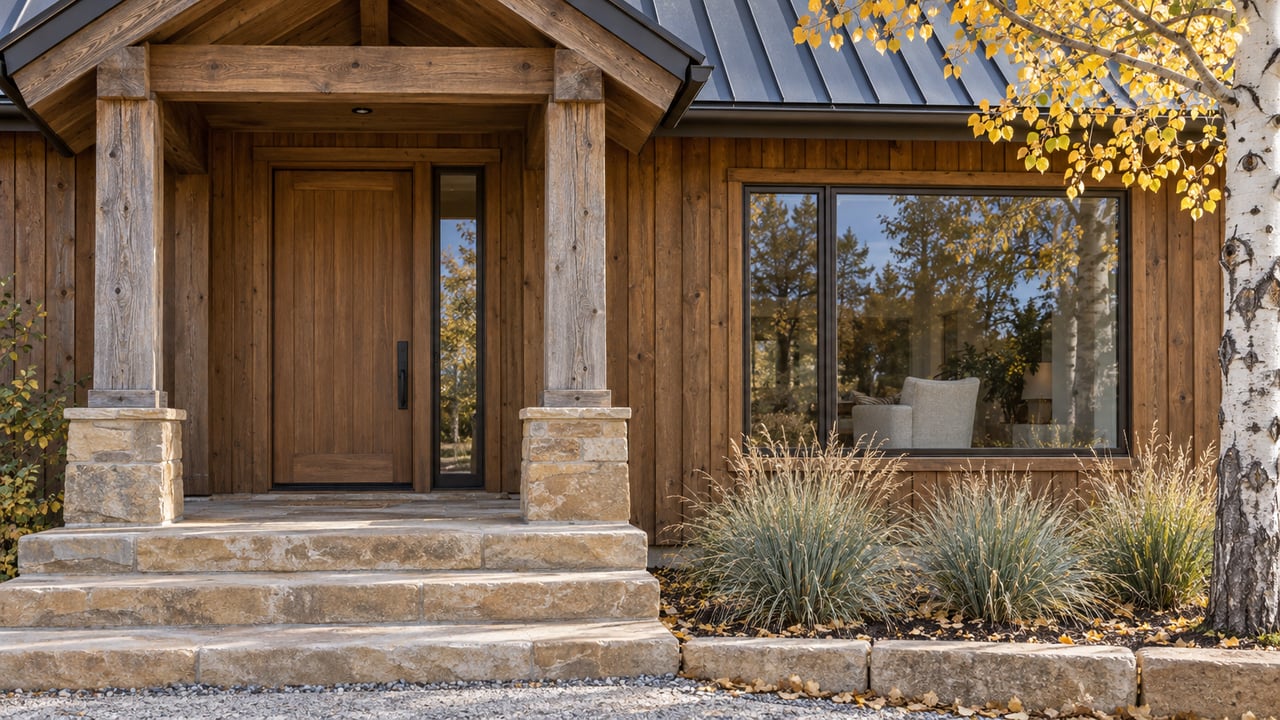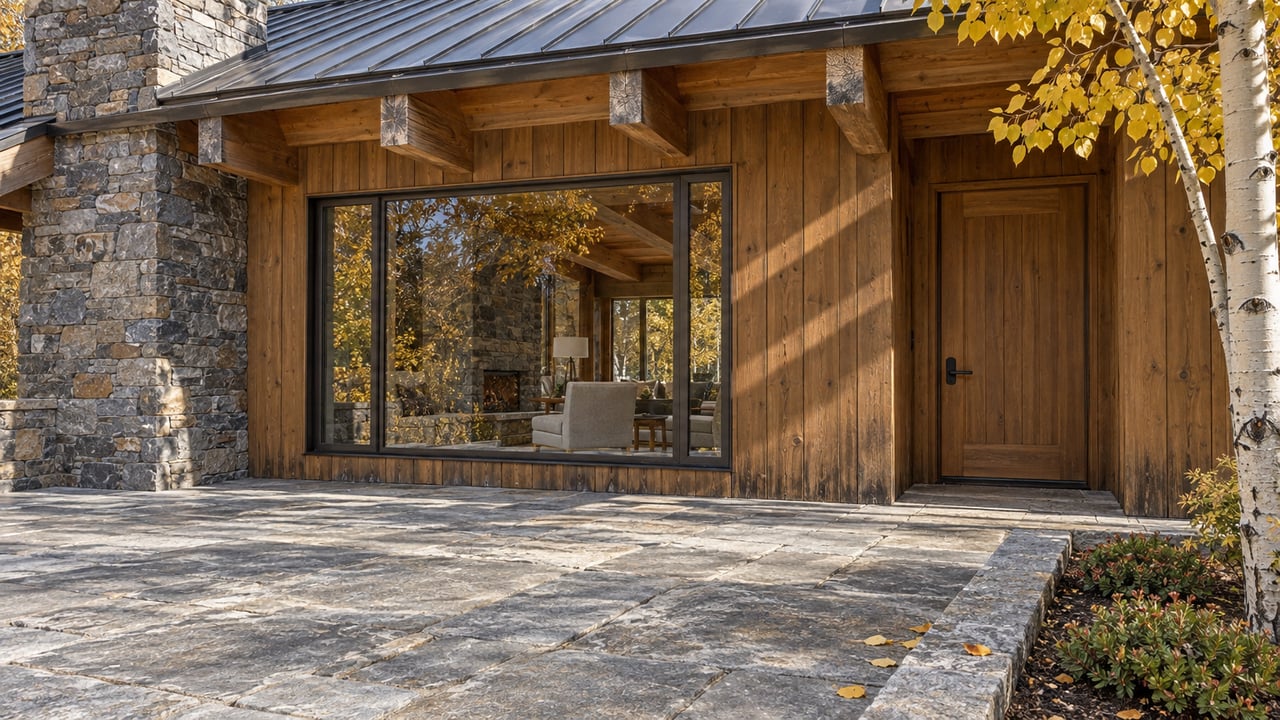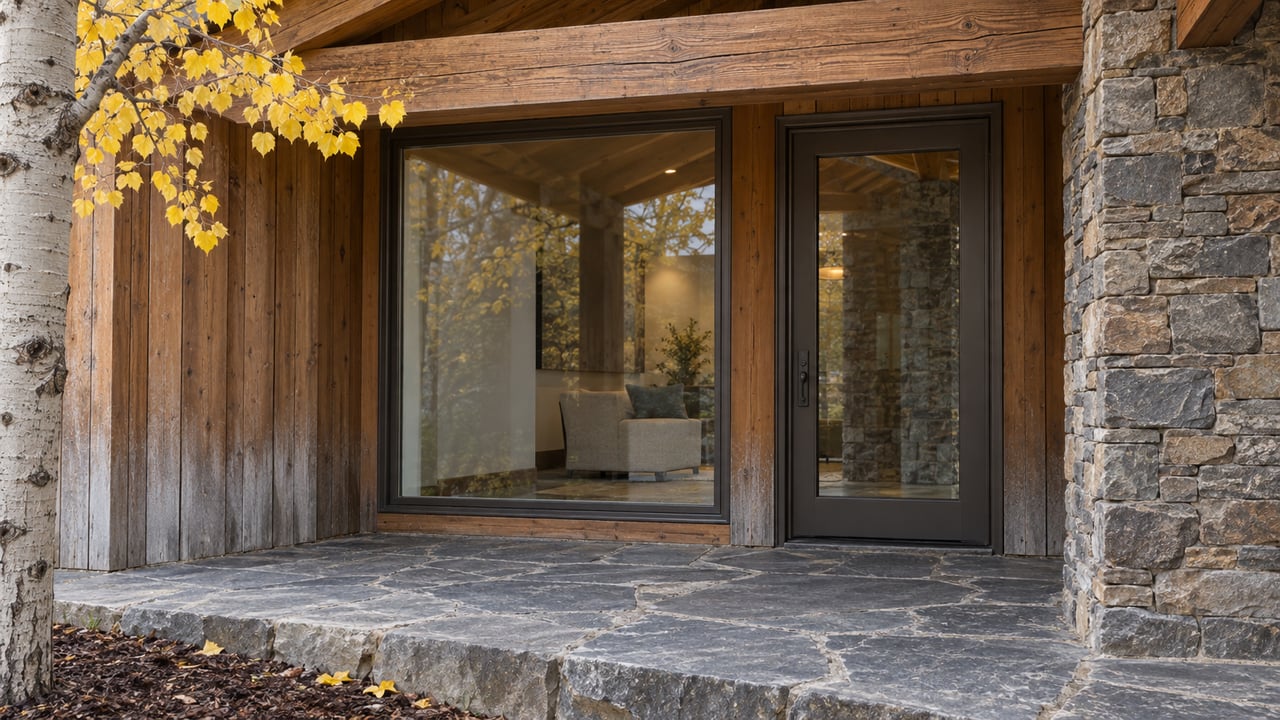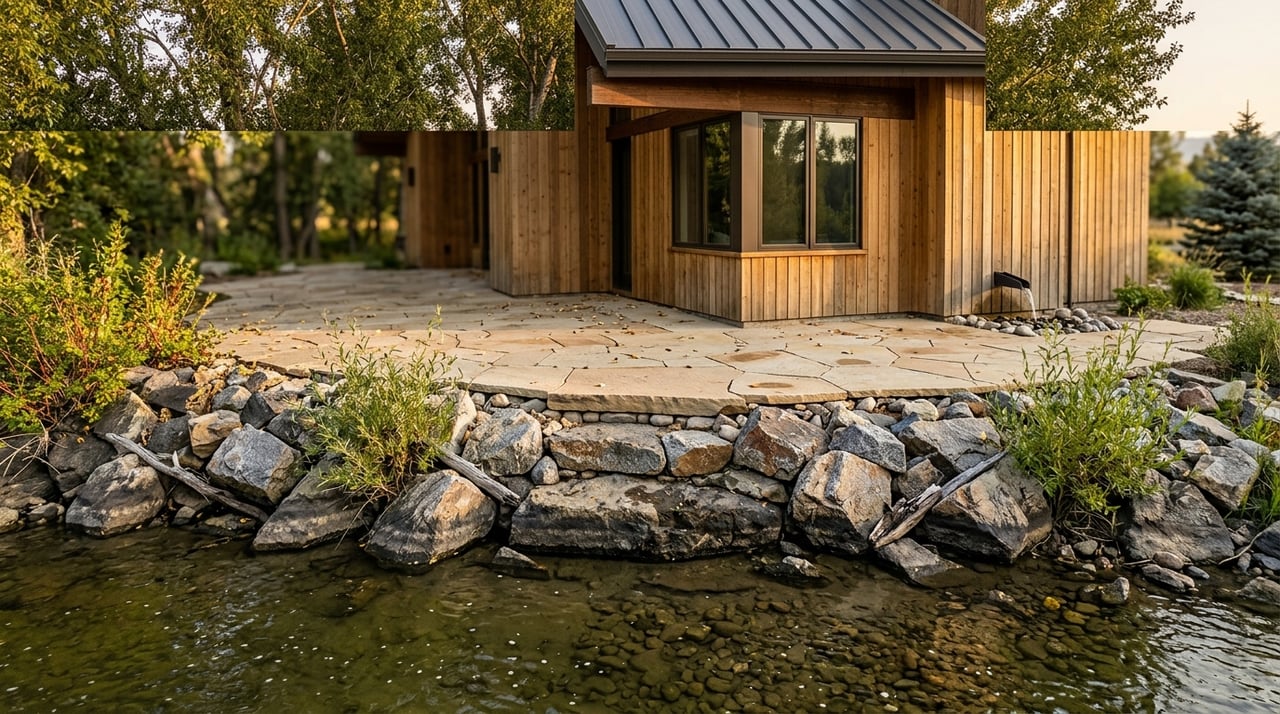
Living on the river in Woody Creek can sound like the dream: open views, a strong sense of privacy, and easy access to the outdoors right outside your door. But riverfront ownership here is not the same as buying in a typical subdivision, and that difference matters. If you are considering a home along the Roaring Fork corridor, it helps to understand both the lifestyle appeal and the practical tradeoffs before you buy. Let’s dive in.
Woody Creek Feels Different
Woody Creek is defined by its rural setting, not by a conventional neighborhood pattern. Pitkin County’s Woody Creek Master Plan emphasizes slow growth, rural character, open space, agriculture, and protection of the river corridor.
That planning framework shapes what you experience on the ground. Instead of dense development, you are more likely to find a mix of very low-density residential land, agricultural and wildlife reserve land, and conservation-oriented open space.
For many buyers, that is exactly the draw. You get a stronger connection to the landscape, wider spacing between homes, and a setting that feels more tucked away than many Aspen-adjacent options.
What Riverfront Living Often Offers
More Space And Privacy
River-adjacent ownership in Woody Creek often feels more spacious and private than a home in a standard neighborhood. County land-use descriptions point to a pattern of larger, more spread-out parcels rather than suburban-style lots.
That can create a calm, open feel that many second-home and lifestyle buyers are looking for. Clear views, open land, and nearby wildlife habitat are part of the everyday experience in this part of Pitkin County.
A Strong Outdoor Lifestyle
The Roaring Fork corridor is a major lifestyle feature in Woody Creek. Pitkin County notes that the area is popular for rafting, kayaking, and angling, and nearby public spaces connect to trails and river access.
Wilton Jaffee Sr. Park includes a boat ramp, river access, and trail connections. The Rio Grande Trail is open year-round in Pitkin County and supports non-motorized use such as walking, running, biking, horseback riding, and cross-country skiing.
If fishing is part of your plan, there is one straightforward state rule to remember. Colorado Parks and Wildlife says anyone age 16 or older needs a fishing license.
A Real Sense Of Place
Woody Creek is not trying to be polished or uniform. Its appeal comes from ranch land, open space, and a river corridor that still feels tied to the valley’s rural identity.
For buyers who want an Aspen-adjacent location without a more built-up setting, that character can be a major advantage. You are buying into a landscape and a rhythm of life, not just a house.
The Tradeoffs Buyers Should Expect
Seasonal Recreation Activity
Privacy does not always mean complete quiet. Pitkin County notes that the Roaring Fork corridor supports recreation such as rafting, kayaking, angling, and trail use, and the Woody Creek Master Plan specifically raises concerns about commercial recreation, parking congestion, and recreational traffic affecting nearby private property.
In practical terms, some days may feel peaceful and secluded, while others bring more movement and activity nearby. That is especially relevant if a property sits close to known access points or trail connections.
Public Access Is Uneven
Not every stretch of river feels the same. Public access is concentrated at specific places, including Jaffee Park, Cerbaz Bridge, Pitkin Iron, and the Dart property, rather than spread evenly along the corridor.
That means one riverfront property may feel relatively quiet while another may experience more visible public use. If you are comparing homes, it is worth looking closely at how each parcel relates to parks, easements, and trail access.
Rural Living Comes With More Variables
Woody Creek remains an agricultural area, and that shapes day-to-day ownership. Pitkin County’s rural living guidance notes that farming and ranching may operate around the clock, livestock may be present, and open-range conditions and cattle movement can affect the surrounding area.
For some buyers, that is part of the appeal. For others, it is an important lifestyle reality to understand before committing to a property.
Due Diligence Matters More Here
Floodplain Review Is Essential
Floodplain status is one of the first things to review with any river-adjacent property. Pitkin County requires applicants to show whether a property is in the 100-year floodplain and applies added standards for development in those areas.
County guidance also says a floodplain permit is required for certain types of work, including bank stabilization, bridges, dredging, installation of irrigation equipment, and revegetation. If you are planning improvements, this can affect both timing and cost.
Wetlands And Riparian Setbacks Can Affect Use
Streams and rivers in Pitkin County often include wetlands and riparian areas. The county says stream setbacks apply, and work in wetland areas may require additional review.
This matters because a parcel that looks large on paper may have meaningful limits on where and how improvements can happen. Build plans, landscaping ideas, and even repair work may need a closer look.
Drainage And Erosion Need Attention
River-adjacent homes often require more focus on drainage than a typical mountain property. Pitkin County requires drainage and erosion control plans for many permit applications, and state stormwater construction permits may apply when site disturbance reaches at least one acre.
Even if you are not planning major construction right away, it is smart to understand the property’s drainage patterns and any past erosion issues. These details can shape both maintenance needs and future project planning.
Water, Wells, And Septic Are Part Of The Picture
Many rural homes in Pitkin County rely on private wells and onsite wastewater treatment systems, often called OWTS or septic systems. The county says private well water quality is the owner’s responsibility, and homes outside sewer districts are commonly served this way.
For buyers, that makes well condition, water quality, septic capacity, and maintenance history part of normal due diligence. These are not unusual issues in rural ownership, but they do require more attention than a typical in-town utility setup.
Water Rights And Ditch Easements Matter Too
One of the biggest surprises for buyers is that water rights are separate from land ownership. Pitkin County’s rural living guide explains that a ditch crossing does not grant pumping rights, and ditch owners may enter private property for maintenance.
The county also notes that active ditches can leak, change flow quickly, and affect slopes, foundations, and onsite wastewater systems. In other words, the water story is not just about the river itself. Recorded easements and water-right issues can shape how a property functions over time.
Who Riverfront Living Suits Best
Woody Creek riverfront living tends to fit buyers who want scenic privacy, outdoor access, ranch character, and a strong sense of place. It is often a good match for people who value space and do not mind a property that asks for more ongoing attention.
It may be a less natural fit if you want highly predictable surroundings, minimal infrastructure responsibility, or a more conventional neighborhood setting. The lifestyle can be exceptional, but it works best when your expectations match the realities of the location.
A Smart Way To Evaluate A Property
If you are seriously considering a riverfront home in Woody Creek, it helps to review each property through two lenses at once: lifestyle and logistics. The views and setting matter, but so do floodplain status, riparian setbacks, drainage, wells, septic systems, and any water-right or ditch easements.
This is where local guidance becomes especially valuable. In a market like Woody Creek, the right property is often less about a generic checklist and more about how a specific parcel functions in its exact location.
If you are weighing riverfront options in Woody Creek or anywhere in the Roaring Fork Valley, Corey Crocker can help you evaluate the lifestyle fit, the property details, and the local context with a calm, experienced approach.
FAQs
What is riverfront living in Woody Creek like?
- Riverfront living in Woody Creek often offers more privacy, open views, rural character, and easy access to outdoor recreation, but it can also involve more seasonal activity and more complex property due diligence.
Is every riverfront property in Woody Creek publicly accessible?
- No. Public access is concentrated at specific parks, trailheads, and easements, while many parts of the corridor remain private or conservation-controlled.
What should buyers check before buying a Woody Creek riverfront home?
- Key items include floodplain status, riparian setbacks, drainage and erosion history, well condition, septic or OWTS details, and any recorded water-right or ditch easements.
Does owning a Woody Creek riverfront home mean dealing with more maintenance?
- Often, yes. River-adjacent properties may require more attention to drainage, erosion, permitting, wells, wastewater systems, and site-specific land conditions than a typical subdivision home.
Is the Rio Grande Trail near Woody Creek open year-round?
- Yes. Pitkin County says the Rio Grande Trail in Pitkin County is open year-round for non-motorized uses such as walking, running, biking, horseback riding, and cross-country skiing.
Do you need a fishing license to fish near Woody Creek?
- Yes. Colorado Parks and Wildlife says anyone age 16 and older needs a fishing license.