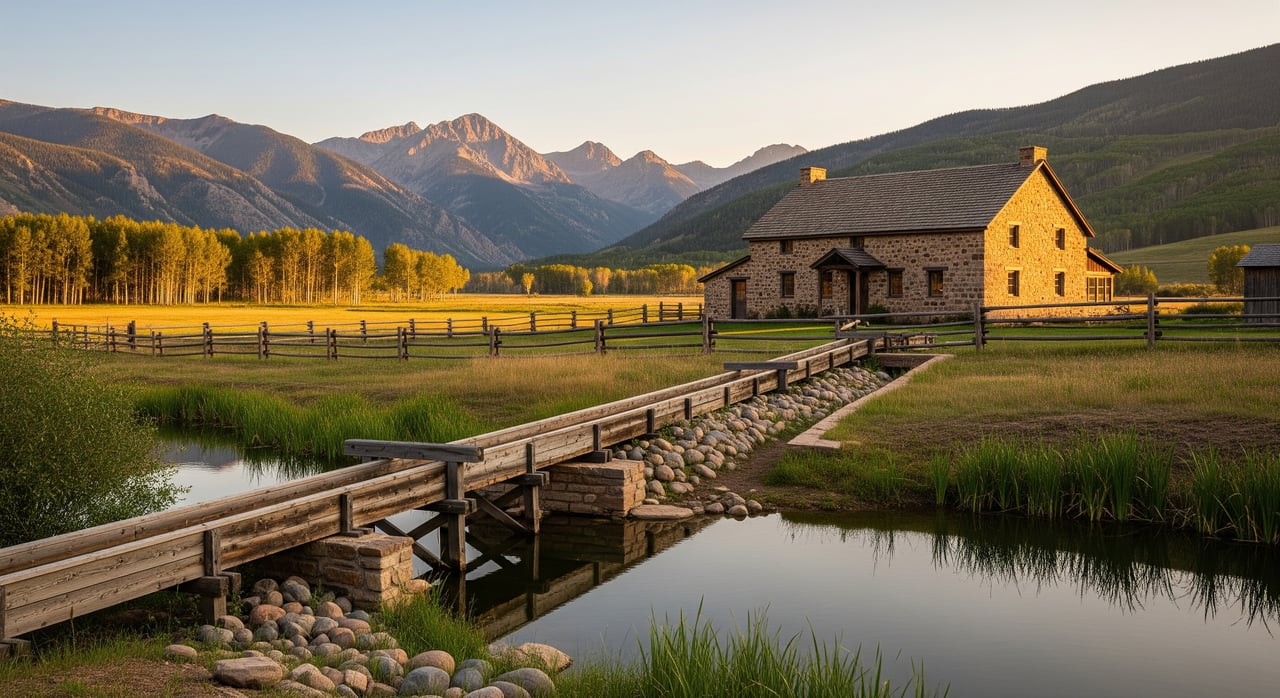
If a creek runs through a property in Old Snowmass, does it mean you can irrigate your meadows all summer? Not necessarily. In Colorado, water is its own property right with its own rules and paperwork, and it directly affects how you can use a ranch. In this guide, you will learn the basics of Colorado water rights, the common water sources on Old Snowmass ranches, the due-diligence steps that protect your investment, and the local risks to factor into value. Let’s dive in.
Why water rights matter in Old Snowmass
Owning land and owning water are separate in Colorado. A ranch can be picture-perfect yet have limited or junior water that does not run when you need it most. Understanding what you are actually buying helps you plan for irrigation, stock water, and household supply.
Old Snowmass sits in the Roaring Fork and Colorado River system, where year-to-year streamflows vary. In drier years, junior rights can be curtailed. Seniority, historical use, and infrastructure often make the difference between reliable water and occasional deliveries.
How Colorado water rights work
Prior appropriation in plain language
Colorado follows prior appropriation: first in time, first in right. Older, senior rights are satisfied before junior rights when supplies are short. That priority date is a core driver of reliability and value.
Beneficial use and decrees
A valid right has a decreed beneficial use, an approved point of diversion, and a quantity or flow rate. Your uses must match the decree. Using water outside the decree or letting a right go unused can risk part of the right over time.
Changes go through water court
Changing a water right, such as use type, point of diversion, or splitting a right, typically requires approval through Colorado Water Court or a Division Engineer process. That review protects other users and can take time and expert analysis.
Abandonment and maintaining use
Rights can be reduced by non-use or by inconsistent use. Keep good records and continue historical patterns where practical. Documenting irrigation seasons, deliveries, and measurements strengthens your position.
Instream flow and environmental limits
The state can hold instream flow rights to protect stream ecosystems. Those rights, along with conservation measures, can affect new diversions or how you operate existing ones.
Common water sources on Old Snowmass ranches
Ditch shares and direct-flow rights
Many ranches have shares in historic ditches. A share usually represents a proportional interest in a ditch’s decreed right and is administered by a ditch company. Some properties also hold direct-flow rights from nearby creeks at a specific headgate.
Storage ponds and reservoirs
Storage rights let you capture water in a pond or reservoir for later use. Storage is often managed under a separate decree and may include accounting or timing obligations. Check the pond’s condition and capacity against the decreed right.
Wells for domestic, irrigation, or stock water
Rural properties may rely on private wells. In this basin, many shallow wells are connected to streams and operate within the same priority system. Depending on the well type and location, you may need an augmentation plan to replace depletions to senior surface rights.
Municipal or district supply
Some parcels are served by small water or sanitation districts or mutual companies. That supply is governed by taps, rates, and district rules that pass to the new owner.
Ditch companies and assessments
Ditch companies manage deliveries, maintenance, and measurement. Shareholders typically pay annual assessments and follow ditch rules. Understanding the company’s governance and seasonal allocation practices helps you project reliability.
Due diligence to start early
Get water due diligence moving as soon as you are serious about a property. Doing this early reduces surprises and keeps your closing on track.
Documents and records to obtain
- Water-rights abstract and title endorsements that address water rights
- Copies of all decrees and water court filings tied to the property, including any change decrees
- Well permits and well logs from the State Engineer’s office
- Ditch company certificates, share ledgers, and any assessment or lien records
- Historical use records, such as irrigation logs, pump records, and ditch delivery reports
- Maps of points of diversion, ditch centerlines, storage locations, and easements
- Any augmentation plans, exchange agreements, or replacement water agreements
- Recent assessments, tap fees, and billing or rate schedules from any serving district
- Easement and access agreements for ditches, pipelines, headgates, and reservoirs
Key questions to ask
- Which specific rights are attached to the property, with priority dates, amounts, and uses?
- Are ditch assessments, district fees, or other charges current?
- Have any rights been changed, split, or litigated in water court?
- Are augmentation obligations in place or pending?
- Are wells properly permitted, and do they have pumping limits or meter requirements?
- How are diversions measured and recorded, and can you review accounting records?
- Who operates the ditch, and what are typical seasonal turnouts and allocations?
On-site inspections to schedule
- Inspect headgates, ditches, reservoirs, pumps, meters, and pipelines for condition and maintenance needs
- Verify legal and physical access to all water infrastructure, including headgates
- Check ponds for seepage, evaporation loss, or capacity issues versus the decreed storage
- Observe irrigation deliveries during the season if possible to confirm timing and reliability
Local risks and what they mean for value
Seniority and drought
Seniority often sets the floor for value. In dry years, senior rights receive water while junior rights can be curtailed. If a property’s irrigation depends on junior water, expect intermittent supply and plan alternatives for critical periods.
Wells and augmentation
Many wells in this area are tributary to streams, which means pumping can affect surface flows. Junior well use can require an augmentation plan to replace depletions to senior rights. Augmentation can add cost and complexity to operations, especially for irrigation or expanded uses.
Subdivision and new wells
Drilling new wells or subdividing can trigger additional analysis and permitting. In some cases, securing replacement water or joining an augmentation plan is necessary. Factor time and expense into your plans if you anticipate changes.
Ditch governance and assessments
Ditch companies may levy regular and special assessments for maintenance or repairs. These obligations typically pass with ownership. Review past assessments and upcoming projects to budget accurately.
Easements and access
Historic ditches sometimes cross multiple parcels without modern recorded easements. Confirm recorded access to headgates and reservoirs. Clear access reduces the risk of disputes and helps with maintenance.
Time, cost, and financing
Water court processes can take months to years and may require attorneys and engineers. Lenders often want clear water title and evidence of reliable supply. Plan timelines with your professionals so financing and closing milestones stay aligned.
Planning for wells and groundwater
Colorado treats groundwater based on whether it is connected to surface streams. Tributary groundwater typically falls under prior appropriation and may require augmentation, especially in dry periods. Non-tributary groundwater has different rules and needs technical and legal analysis to confirm.
If a ranch relies on wells, confirm each permit, depth, yield, and use limits. Ask for meter data and pumping histories. A water engineer can estimate likely supply and depletions and advise on whether an augmentation plan is necessary.
Storage, ponds, and practical operations
If a property includes a pond or reservoir, verify that the storage right matches how the pond is used. Some ponds require accounting to show that water was stored within the decree’s timing and amount. Inspect outlet works, liners, and spillways, and compare capacity to decreed storage.
Storage can smooth out variable ditch deliveries by holding water for later in the season. It also introduces maintenance responsibilities and, in some cases, coordination with ditch operators to capture water at the right times.
A smart buyer’s path in Old Snowmass
A clear plan helps you move confidently from interest to closing:
- Establish your water needs for irrigation, stock, and domestic use.
- Identify each right, share, well, or district supply tied to the property.
- Bring in a water-rights attorney and a water engineer early.
- Confirm ditch company status, access, and infrastructure condition.
- Model supply across wet, average, and dry years and plan for shortages.
- Align closing and financing with any needed approvals or augmentation.
Working with Corey in the Roaring Fork Valley
You deserve a calm, organized process for a complex asset. With deep, mid-valley experience and a full-service, boutique approach, you get patient guidance, off-MLS awareness, and thorough transaction management that keeps water due diligence front and center. During buyer representation, we help you stay on track with the right records, timelines, and local contacts so you can focus on the ranch and lifestyle you want.
When you are ready to explore Old Snowmass ranch properties, reach out to start a focused search and a clean, step-by-step plan. Connect with Corey Crocker to begin.
FAQs
What does prior appropriation mean for Old Snowmass ranch buyers?
- It sets priority by date, so senior rights receive water first in shortages while junior rights may be curtailed, which affects seasonal reliability and value.
Do ditch shares automatically transfer with an Old Snowmass ranch?
- Not always; ditch shares are separate property interests and you should confirm the seller’s certificates, transfer rules, and any assessments with the ditch company.
If a ranch relies on a well, will I need an augmentation plan?
- Many shallow wells are connected to streams and can require augmentation to replace depletions to senior rights, especially for irrigation or expanded uses.
How can I tell if there is enough water to irrigate my acreage?
- Compare decreed amounts and historical delivery records to your planned acreage and crop needs, and have a water engineer evaluate likely annual yield under different conditions.
What should I inspect on-site before closing on a ranch with water rights?
- Check headgates, ditches, pumps, meters, and ponds, verify legal access to each, and if possible observe deliveries during the irrigation season to confirm timing and reliability.