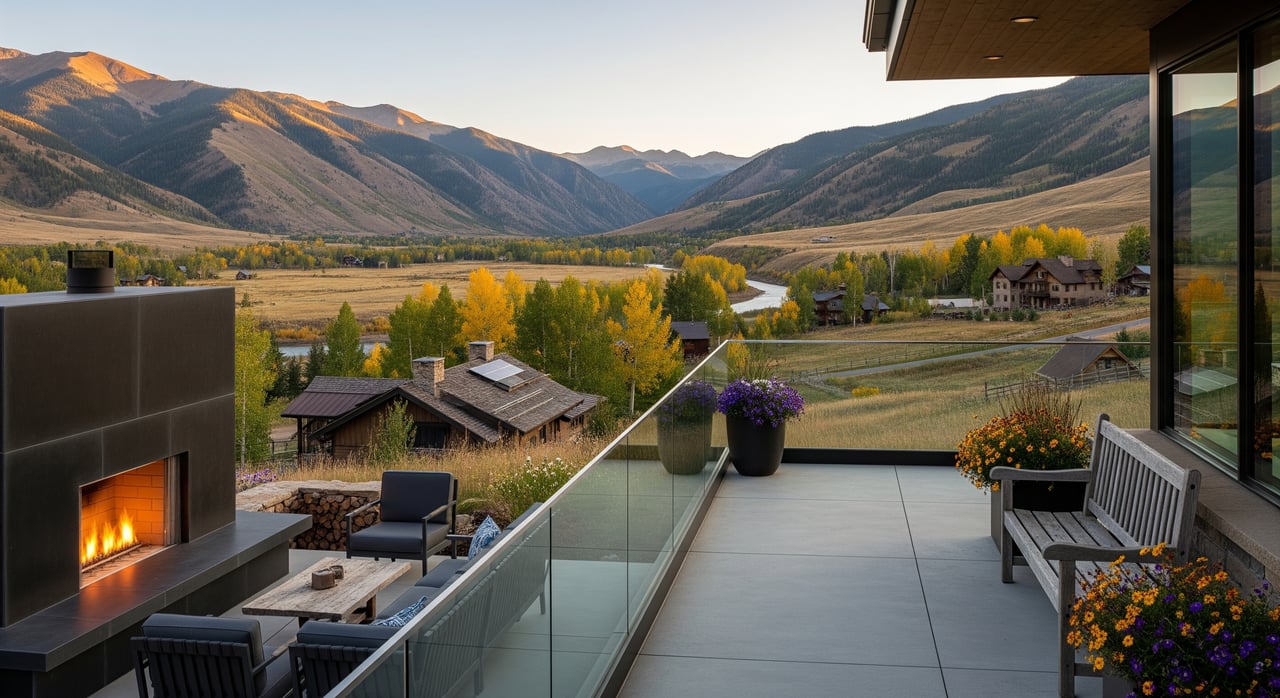
Trying to choose between Basalt and Carbondale? You’re not alone. Both towns deliver the Roaring Fork Valley lifestyle, but they feel different on price, housing, commute, and daily rhythm. If you want a quick, practical way to narrow your search, you’re in the right place.
In this guide, you’ll learn how the two markets compare, what housing types you’ll actually find, how HOAs and commute patterns differ, and what due diligence to do before you tour. You’ll also get a clear checklist to match your priorities with the right town for you. Let’s dive in.
Basalt vs Carbondale at a glance
Basalt typically runs higher in price on average, especially for walkable downtown homes, newer construction, and riverfront or townhome options. Carbondale tends to be more affordable for single-family homes and larger lots. Both towns offer a wide price range, from entry-level or older homes to luxury riverfront and large-acreage properties.
Basalt skews denser near downtown and the river, with a higher share of condos and townhomes and more HOAs. Carbondale leans toward detached single-family homes, larger yards, and more rural parcels with fewer HOAs overall.
Commute and transit access feel similar, since both sit on Highway 82 and are served by regional bus routes, but location matters if you work in Aspen or Glenwood Springs. Outdoor access is excellent in both, with Basalt offering immediate riverfront amenities and Carbondale sitting closer to Mount Sopris and south-valley trailheads.
Prices and inventory to watch
You’ll see wide price dispersion in both markets. Basalt generally commands higher prices, particularly for walkable locations and newer or riverfront townhomes. Carbondale often provides more approachable entry points for detached homes and larger lots.
Seasonality matters. Winter and summer are busy in the Roaring Fork Valley, while shoulder seasons can shift inventory and showing patterns. Plan your search with these cycles in mind.
Before you tour, collect a simple set of data for each town:
- Median sales price and median price per square foot for the last 12 months
- Active listings and months of supply
- New listings per month and absorption rate
- Days on market and list-to-sale price ratio
- Distribution by property type: condo or townhome versus single-family versus land
These snapshots help you compare apples to apples, spot value, and understand how quickly you need to move when the right home appears.
Housing types and HOA patterns
Basalt housing snapshot
Basalt features a higher share of attached housing near downtown and river corridors. You’ll find newer infill and mixed-use projects, plus older single-family pockets and some rural parcels nearby. Inside town limits, larger inexpensive lots are less common. Many listings highlight walkability to shops, dining, and transit stops.
Carbondale housing snapshot
Carbondale leans toward detached single-family homes, older ranch and mountain homes, and larger yards. You’ll see more rural parcels just outside town. Manufactured homes and lower-cost single-family options appear more often here, giving buyers additional entry points.
HOA implications for buyers
Basalt has more HOA-governed townhome and condo communities, along with newer developments. Monthly dues, shared amenities, exterior standards, and rental rules often apply. Carbondale includes HOA subdivisions, but a larger proportion of homes are outside HOAs or privately managed.
Bring this HOA checklist to every showing:
- Current dues, reserve funding, and history of special assessments
- Rules for rentals, pets, exterior changes, and short-term rentals
- Management company, financials, and maintenance scope
Commute, transit, and winter readiness
Highway and traffic patterns
Both towns sit on Highway 82. Commutes to Aspen, Snowmass, or Glenwood Springs vary with weather and traffic, especially during ski season and holiday peaks. Winter storms and mitigation operations can extend drive times. If your worksite is the priority, Basalt is a touch closer to Aspen amenities, while Carbondale is convenient to the west side of the valley.
Public transit and bike options
The regional bus system serves Basalt, Carbondale, and Aspen-Glenwood corridors with frequent routes and park-and-ride locations. Multi-use paths and bike infrastructure add commute flexibility, especially for neighborhoods near paved river trails. Check route maps and schedule frequency for the specific area you’re considering.
Winter prep for your property
Ask about driveway and private road maintenance, especially on sloped or shaded sites. If an HOA exists, confirm snow removal coverage. In non-HOA settings, understand your contractor options and typical costs so you can budget confidently.
Outdoor access and lifestyle trade-offs
Basalt outdoor strengths
Basalt puts you close to riverfront parks and trails, with easy access to fishing and paddle sports. You’ll be within range of day-trip trailheads and the Ruedi Reservoir area for boating and alpine access. The denser, amenitized downtown helps you pair outdoor time with dining and services.
Carbondale outdoor strengths
Carbondale sits near Mount Sopris and a network of south-valley trailheads that attract hikers, runners, and mountain bikers. Larger lots and nearby rural parcels make it easy to reach dispersed recreation to the west and south.
How it feels day to day
Basalt blends commuter families, second-home owners, and locals who value walkability and proximity to riverfront dining. You’ll find more curated public spaces and newer development patterns. Carbondale offers a grassroots, small-town feel with strong arts and community events. Visitor traffic is generally higher in Basalt, while Carbondale sees event-driven peaks.
Micro-markets and due diligence
County and regulatory differences
Basalt straddles the Eagle and Pitkin county area. Carbondale lies in Garfield County. Property taxes, permitting, building codes, and certain regulations vary by jurisdiction. Confirm all details with the correct town and county offices for any property you pursue. Short-term rental rules and licensing can differ by location and may change, so verify eligibility and requirements early.
Schools and essential services
School district boundaries shift across the valley. Verify exact assignments by parcel. For utilities, confirm whether a property is on municipal water and sewer or uses a well and septic. Rural parcels often have different service setups, so map those details before inspection deadlines.
Insurance and hazard checks
Wildfire risk, flood exposure on riverfront sites, and winter hazards are all part of mountain living. Review flood maps and local wildfire mitigation resources, and get insurance availability and cost estimates during your feasibility window. Build defensible space and mitigation plans into your ownership strategy where needed.
Strategy and valuation
In Basalt, condo and townhome comps are influenced by HOA structures and amenities, which affect pricing. In Carbondale, land comps and lot size can play a bigger role. Inventory can be tight in both towns. Have financing pre-approval ready and stay flexible on showings so you can act decisively.
Match your priorities to the right town
Use these quick scenarios to guide your focus:
- Walkable town life: If you want shops, dining, transit, and river paths outside your door, Basalt is often the better fit.
- Space and privacy: If you want larger yards or rural parcels and quick access to Mount Sopris trails, Carbondale likely fits better.
- Budget flexibility: If you want more options for detached homes at approachable price points, Carbondale tends to offer more entry points.
- HOA preferences: If you value shared amenities and turn-key maintenance, Basalt’s townhome and condo options stand out. If you prefer fewer rules and private control, Carbondale has more non-HOA choices.
- Commute priorities: If you work toward Aspen, Basalt trims drive time. If you work toward Glenwood Springs or farther west, Carbondale can simplify your commute.
- Potential rentals: Always confirm short-term and long-term rental rules for the exact address before you buy.
How Corey helps you decide
Choosing between Basalt and Carbondale is easier when you can see real listings, walk the neighborhoods, and compare micro-markets side by side. With deep, mid-valley expertise and a proven sold record across price tiers, Corey provides:
- Local market mastery with current medians, absorption, and on-the-ground context
- Access to off-MLS and coming-soon opportunities informed by trusted networks
- Patient, concierge-level guidance with thorough due diligence and negotiation
- Full-service continuity, including relocation support and property management coordination for investors and second-home owners
- Premium marketing and transaction operations through Compass tools when you buy and later decide to sell
If you are weighing riverfront walkability against big-sky views near Mount Sopris, you do not have to choose in the dark. Corey will help you tour with purpose, verify the details that matter, and move when the right home appears.
Ready to explore Basalt and Carbondale with a trusted local advisor by your side? Connect with Corey Crocker to map your next steps.
FAQs
What are the main cost differences between Basalt and Carbondale?
- Basalt generally runs higher, especially for walkable downtown, newer builds, and riverfront or townhome inventory. Carbondale often offers more value in detached homes and larger lots.
Are HOAs more common in Basalt or Carbondale?
- HOAs are more prevalent in Basalt due to its townhome and condo mix. Carbondale has HOA communities but also many non-HOA or privately managed homes.
How does commuting to Aspen or Glenwood Springs differ by town?
- Both towns sit on Highway 82 with regional bus service. Basalt is slightly closer to Aspen amenities, while Carbondale often suits those working toward Glenwood Springs.
What should I verify about short-term rentals before buying?
- Rules vary by town and county. Confirm eligibility, licensing, and any bed-tax obligations for the exact address with the appropriate local offices.
How should I evaluate wildfire and flood risks when I shop riverfront or rural properties?
- Review wildfire mitigation resources and flood maps, and obtain insurance availability and cost estimates early in your inspection period.
When is the best time of year to shop in the Roaring Fork Valley?
- Activity spikes in winter and summer. Shoulder seasons can shift inventory and showing dynamics, so align your timeline with current supply and your readiness to act.