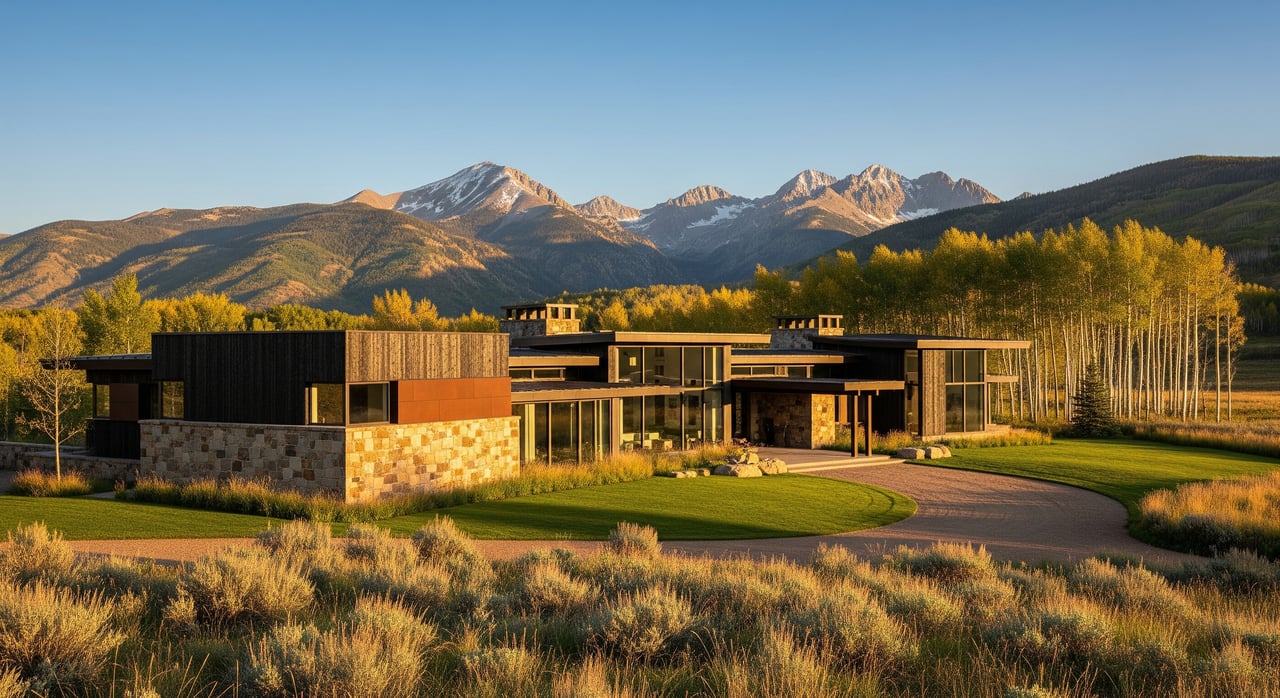
Are you wondering how to finance a one-of-a-kind home or ranch in Old Snowmass? You are not alone. Luxury and acreage properties here are special, and that means lenders look at them differently. In this guide, you will learn how financing works for high-end and ranch-style purchases, what lenders expect, which issues can impact approvals, and how to prepare a clean, confident offer. Let’s dive in.
Old Snowmass market realities
Old Snowmass sits in the Roaring Fork Valley near Aspen, with a mix of luxury homes, second homes, and ranch parcels. Inventory is limited for unique properties, which can slow appraisals and extend timelines. You should plan for a process that weighs both lifestyle goals and underwriting details.
Local rules matter. Pitkin County land use, well and septic permits, road access, and any conservation or open-space designations can affect value and loanability. Short-term rental policies and HOA covenants may influence how lenders classify occupancy. Always confirm current rules before you write an offer so your financing plan aligns with intended use.
Insurance and taxes affect affordability. Mountain markets often carry higher hazard and wildfire premiums, and those costs go directly into lender qualification. Federal tax rules, such as limits on mortgage interest deductibility, capital-gains exclusions on primary residences, and 1031 exchanges for investment property, can influence your strategy. Speak with your tax advisor early so your loan structure and sale plan work together.
How lenders view luxury and ranch financing
Underwriting for high-end and acreage properties looks beyond purchase price. Lenders focus on occupancy type, cash reserves, and how the land is used.
- Primary residence typically gets the most favorable terms.
- Second home has stricter rules than primary but is still eligible for conventional financing.
- Investment or short-term rental is treated as investment property, with lower maximum loan-to-value and higher rates, plus possible documentation of rental income and vacancy.
Expect stronger liquidity requirements, more extensive documentation, and close attention to property-specific risks that are common in the mountains.
Jumbo mortgages
Most luxury purchases exceed conforming loan limits, so jumbo financing is common. You should be prepared for a higher down payment, lower debt-to-income thresholds, and documented liquid reserves that can cover several months of payments. Appraisals can be complex when comparable sales are limited. Lenders may order a second appraisal or request added valuation reviews.
Portfolio and private-bank loans
Portfolio lenders keep loans on their books and can be more flexible with unusual properties or complex borrower profiles. If your income includes K-1s or trust distributions, or you are purchasing in a trust or LLC, a portfolio or private-bank loan can fit better. These lenders may also be more comfortable with larger acreage or conservation encumbrances that fall outside standard agency guidelines.
Asset-based and bank-statement programs
High-net-worth or self-employed buyers sometimes qualify using assets rather than traditional income. Asset-depletion programs calculate an income stream from your liquid assets. Bank-statement programs use deposits instead of tax returns to show income. These options usually carry higher rates or fees, and you will want a lender who routinely finances luxury and resort properties.
Construction, lot, and construction-to-perm
If you are buying land or planning a build, expect lower maximum loan-to-value, higher rates, and more documentation. Lenders will want building permits, a clear budget, and a qualified contractor before approving construction-to-permanent financing. Vacant land carries added risk, so underwriting is stricter until a home is complete.
Agricultural or ranch use
If the property is a hobby ranch or primarily residential, conventional or jumbo products may work. When the land supports commercial agricultural operations, specialized farm or ranch loans may be more appropriate. Lenders will review any agricultural leases and income as part of qualifying.
FHA, VA, USDA limits
These programs have loan limits and occupancy rules that rarely suit high-balance resort or luxury purchases. Most Old Snowmass buyers use conventional jumbo or private lending instead.
Property factors that can make or break a loan
Old Snowmass homes and ranches are unique. The details below can affect value, insurability, and underwriting.
Easements and conservation restrictions
Conservation, scenic, or open-space easements are common in mountain valleys. They can limit improvements or reduce buildable acreage, which affects market value and maximum loan-to-value. Lenders will review recorded easements and may adjust terms based on what is allowed on the land.
Water rights and wells
Water rights in Colorado are separate from the land and governed by state law. Lenders expect proof of usable water rights and well permits, including documentation of historic or decreed uses when applicable. Confirm water status early so you are not surprised during underwriting or closing.
Septic, wells, and on-site systems
Many properties rely on private wells and septic systems. Lenders commonly require evidence of permitted systems, recent inspections, and flow or percolation results. If upgrades or repairs are needed to meet code, plan for timing and costs that could affect your closing.
Access, roads, and winter maintenance
Clear legal access and road maintenance plans are essential. Private road agreements, seasonal closures, and snow removal responsibilities can impact insurability and marketability. Lenders will look for recorded easements and clarity on who pays for road upkeep.
Wildfire, flood, and environmental risk
Wildfire risk is a major consideration in the mountains. Insurance availability and premiums can change based on mitigation and location. If a property lies in a mapped flood zone, flood insurance may be required. Wetlands and sensitive habitat can influence permitted uses, so factor those into your due diligence.
Mineral and subsurface rights
In Colorado, mineral rights can be severed from the surface estate. Title review should confirm which rights convey and whether any leases or royalties exist. Lenders will want a clean understanding of how subsurface rights might affect use and value.
Appraisal and underwriting in high-end deals
Appraisals on unique properties often require a broader lens. Sparse comparable sales may lead an appraiser to widen the search area or combine methods of valuation.
Valuation strategy
Appraisers may use replacement cost, income, and comparable sales approaches. For ranches with some agricultural income, the income approach may supplement market comps. Lenders sometimes order specialized appraisers who know resort and ranch segments and may ask for a second opinion.
Title, survey, and boundaries
Expect a clear title commitment and, for larger parcels, a recent ALTA-level survey or equivalent. Title endorsements may be required to insure access or boundary matters. Address any encroachments, gaps, or unrecorded easements early to avoid delays.
Insurance and availability
Lenders require hazard insurance. In high wildfire areas, policies may be more expensive or limited to certain carriers. You might need mitigation documentation. If the property is in a designated flood zone, flood insurance is typically required, and an elevation certificate may be needed.
Closing costs and local fees
Resort-market closings often carry higher costs, including attorney and title fees, recording charges, and HOA transfer fees if applicable. Some developments or jurisdictions impose transfer or deed taxes. Build these items into your cash-to-close plan.
A step-by-step path to confident financing
Here is a practical checklist to stay proactive and reduce surprises.
Pre-offer due diligence
- Verify zoning, allowable uses, and building envelopes with local authorities.
- Confirm short-term rental rules and HOA covenants if you plan to rent.
- Order a preliminary title review to surface easements, covenants, mineral reservations, and any conservation restrictions.
Get pre-approved with the right lender
- Engage lenders who routinely finance jumbo, resort, and ranch properties.
- Match the pre-approval to your intended occupancy: primary, second home, or investment.
- Consider multiple options: a national jumbo lender, a regional portfolio lender, and a private bank if you have complex income or asset structures.
Gather borrower and property documents
- Standard financials: two years of tax returns, W-2s or 1099s, recent pay stubs if applicable, and bank or investment statements.
- For high-net-worth profiles: trust or LLC documents, K-1s, and longer account histories. Be ready to explain large deposits.
- Property package: survey, septic and well permits and inspections, water-rights documents, HOA bylaws and CCRs, conservation easement records, current title commitment, and road maintenance agreements.
- Insurance: secure hazard quotes, wildfire mitigation documentation, and flood quotes if needed.
Schedule inspections and technical reviews
- General home inspection and, for land or additions, geotechnical or soils as needed.
- Septic evaluation and well-flow test.
- Wildfire defensible-space and mitigation review.
- For working ranch features, evaluate fencing, irrigation infrastructure, and any leases.
Plan for closing and after
- Confirm access, utilities, and insurance binders with your lender well before closing.
- If you are building or renovating, compile budgets, plans, and contractor bids for lender review.
- For ranch ownership, plan ongoing costs like road upkeep, irrigation, fencing, and winter access.
Tips for sellers to support buyer financing
A well-prepared file can make your property easier to finance and sell.
- Create a clean disclosure package that includes surveys, well and septic records, permits, water-rights documentation, conservation easements, HOA rules, and road maintenance agreements.
- If applicable, obtain insurance quotes and wildfire mitigation notes to help buyers qualify.
- Consider pre-listing septic and well tests where common, so there are fewer contingencies.
- Clarify any occupancy and rental restrictions upfront to avoid reclassification surprises during underwriting.
Common scenarios in Old Snowmass
Second home with possible short-term rental
If you intend to rent occasionally, lenders may treat the home as an investment. This can mean lower LTV and higher rates. Confirm local STR rules and HOA bylaws early so your loan type and use plan align.
Large acreage with a conservation easement
A conservation easement may preserve views and open space but can limit future improvements. Lenders will adjust underwriting to reflect reduced developable value. Review the recorded easement with counsel and provide it to your lender promptly.
Building new or taking on major renovations
Lot loans and construction financing carry tighter LTVs and require detailed budgets and permits. A construction-to-perm structure can streamline the process, but documentation must be complete and contractor qualifications clear.
Purchasing in a trust or LLC
Portfolio or private-bank loans may be a better fit when buying through an entity or when income is nontraditional. Prepare entity paperwork and verify whether the lender requires personal guarantees.
Bringing it all together
Financing in Old Snowmass rewards early planning and complete documentation. Start by clarifying how you intend to use the property, then match that to the right lender and loan type. Address water, septic, access, and insurance questions upfront, and choose an appraisal team experienced with resort and ranch valuations. With the right preparation and guidance, you can move from offer to closing with confidence.
If you are weighing options or want a local perspective on specific parcels, reach out to a trusted advisor who knows this terrain. For tailored guidance and a streamlined process from search through closing, connect with Corey Crocker.
FAQs
What loans work for luxury homes in Old Snowmass?
- Jumbo mortgages and portfolio or private-bank loans are common, with higher down payment and reserve requirements and more detailed appraisal reviews.
Can I finance a hobby ranch with a conventional loan?
- Yes, if the property is primarily residential or a lifestyle ranch. Commercial agricultural operations may require specialized farm or ranch lending.
How do Colorado water rights affect my mortgage?
- Lenders will require proof of usable water rights or valid well permits. Unresolved water-rights issues can delay or prevent financing.
Will a conservation easement stop me from getting a loan?
- Not necessarily. Lenders review easement terms to assess marketability and may adjust loan-to-value or conditions, depending on permitted uses.
Do short-term rentals change my loan terms?
- Often yes. Properties used as short-term rentals are usually classified as investment, which can mean higher rates, lower LTVs, and additional documentation.
What down payment and reserves should I expect?
- Many luxury and ranch buyers should plan for a down payment in the 20 to 30 percent range and documented reserves from several months to a year, depending on the lender and profile.
What inspections are typical for ranch or acreage buys?
- Beyond a general inspection, plan for septic evaluations, well-flow tests, wildfire mitigation reviews, and, for larger parcels, surveys and irrigation or fencing checks.