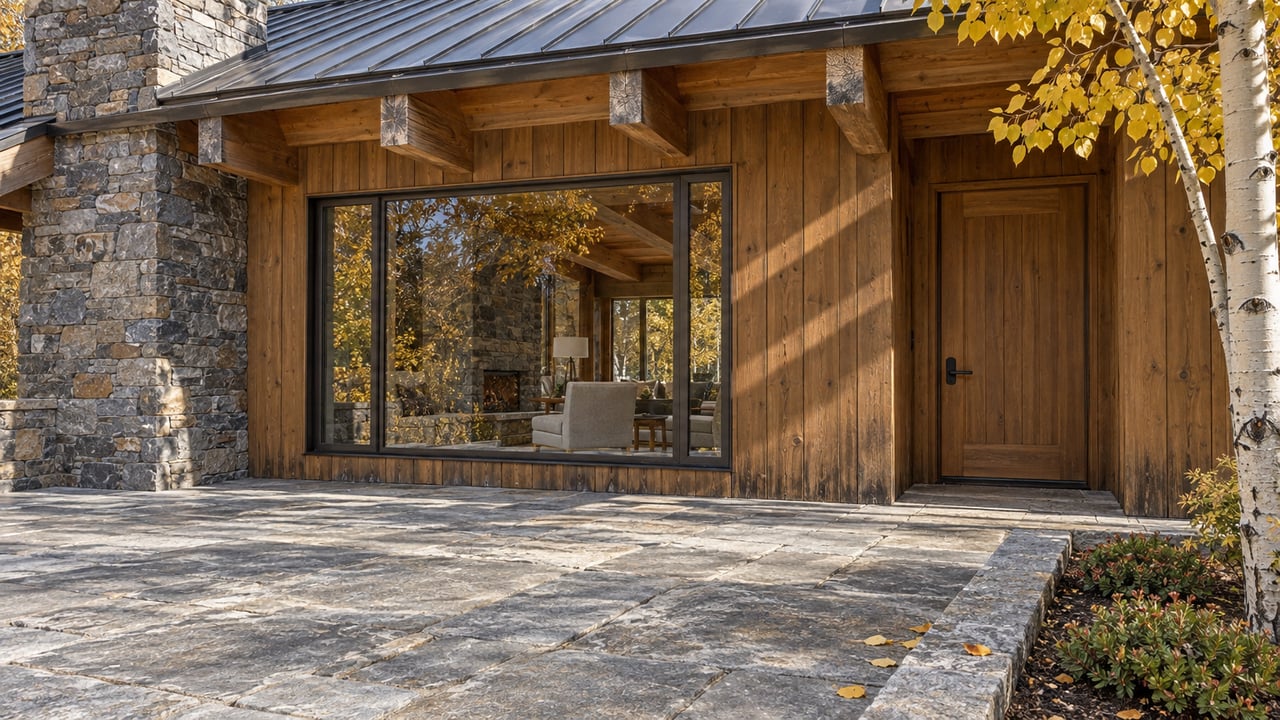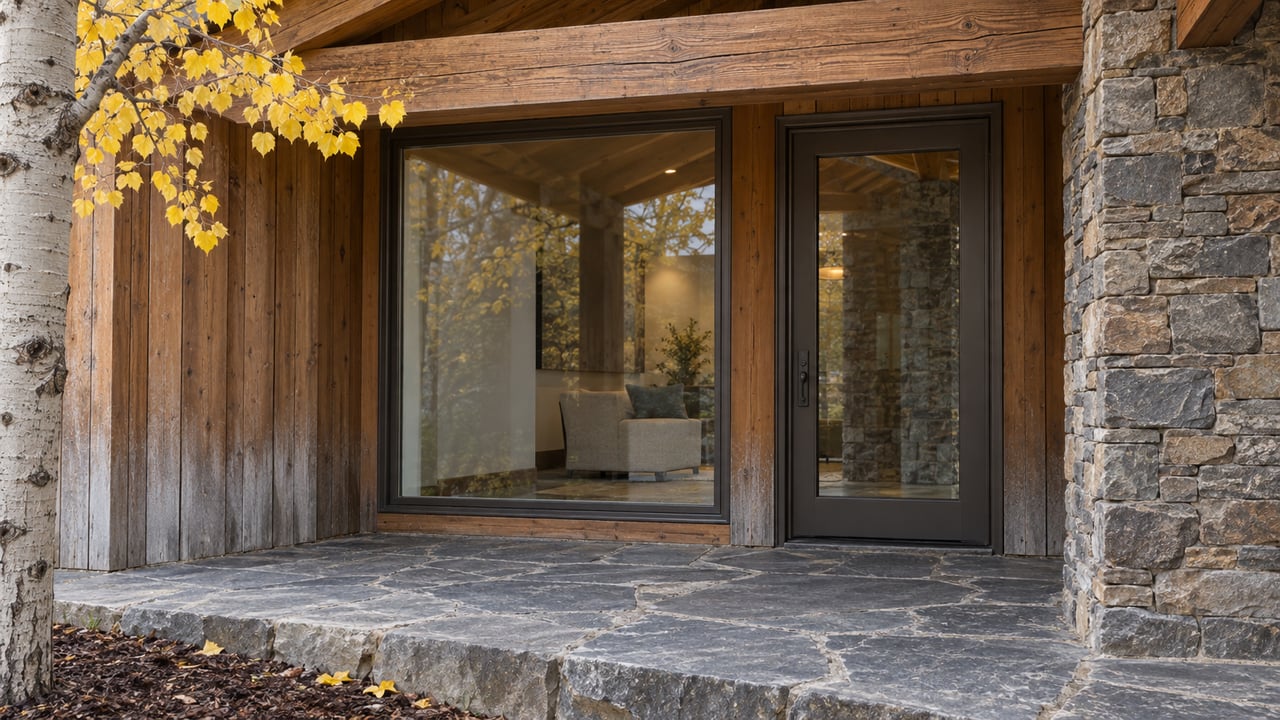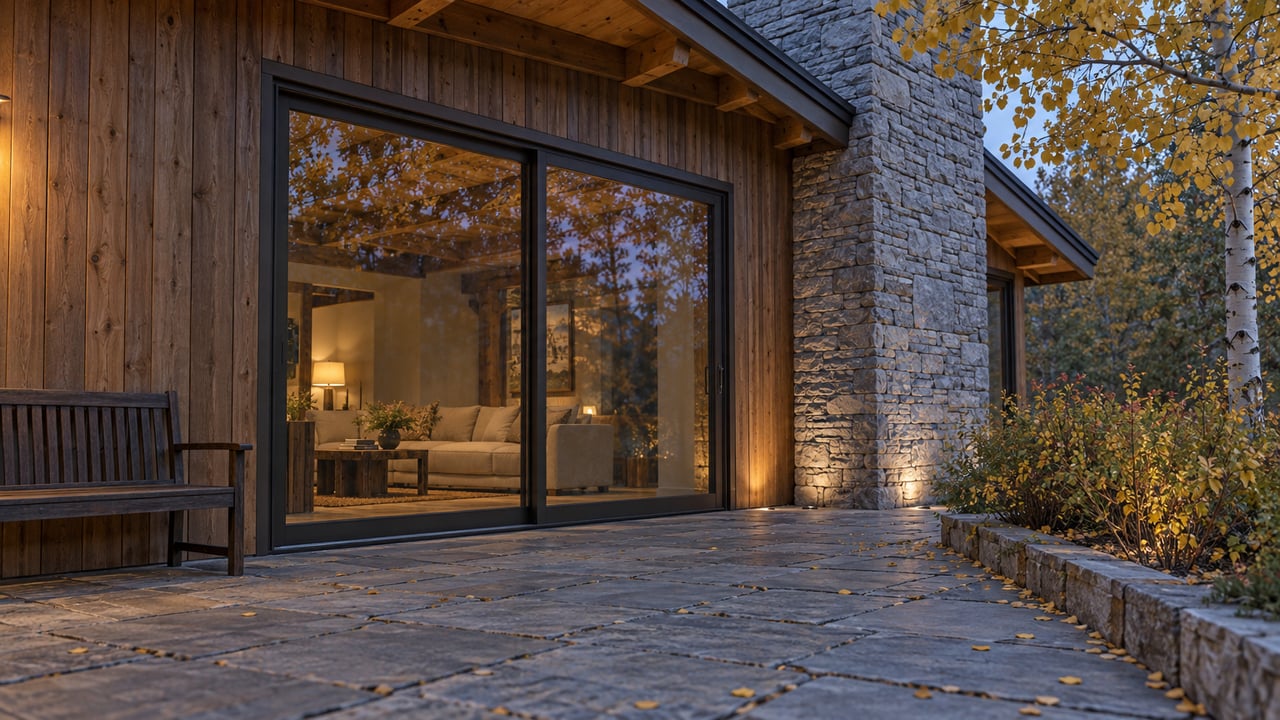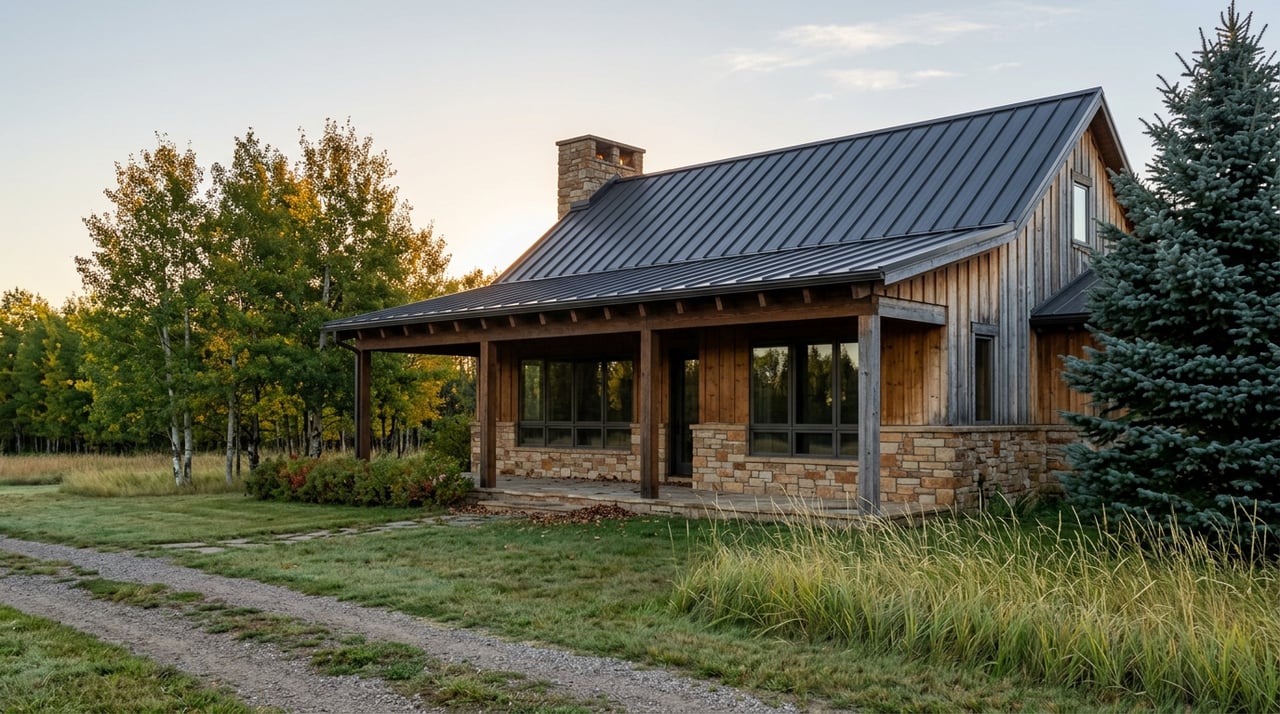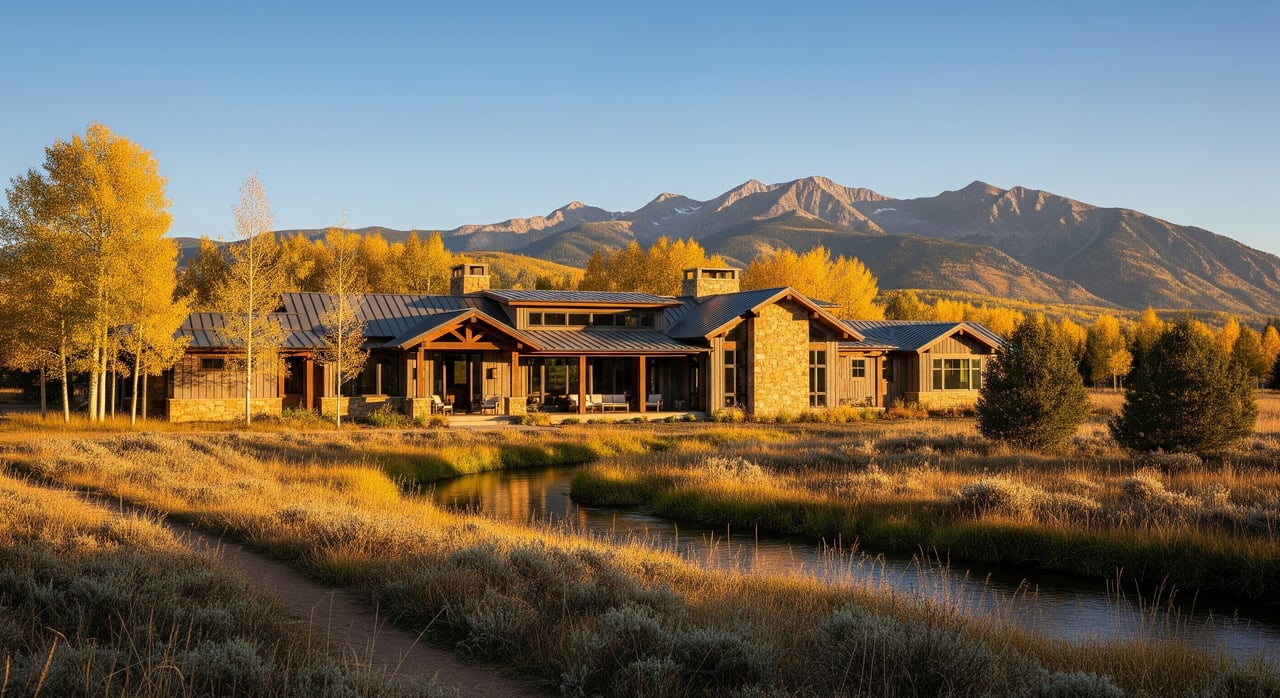
Imagine stepping onto your porch to quiet meadows, creekside songbirds, and mountain views, with the ski areas a simple drive away. If you are dreaming about more space, privacy, and room for horses or gardens, Old Snowmass often rises to the top of the list. This guide walks you through what ranch living really looks like here, from property types and water rights to seasonal chores, costs, and checklists. Let’s dive in.
Old Snowmass ranch setting
Old Snowmass sits in the Roaring Fork Valley with a semi-rural character that favors open meadows, creek corridors, and a patchwork of private parcels near public lands. You will see scattered piñon and juniper, riparian areas along small watercourses, and mid-elevation mountain vegetation. The setting offers privacy, calm, and a stronger connection to land than you find in the valley’s more resort-oriented hubs.
“Ranch living” here usually means acreage with a primary home and practical outbuildings. It is common to find barns or arenas, fenced pastures, sheds for equipment, and sometimes an irrigation ditch or a pond. Expect more open views, fewer immediate neighbors, and daily rhythms that lean into land stewardship.
Property types you will find
Old Snowmass supports a range of ranch-capable parcels. When you tour, you will likely see:
- Hobby ranchettes set up for horses, often with fenced paddocks, loafing sheds, and hay storage.
- Working ranch parcels with larger acreage used for cattle or horses, hay production, or seasonal grazing.
- Rural residential acreages where the focus is a primary home with room for gardening, trails, and gear storage.
- Parcels with barns, corrals, multiple sheds, and sometimes private ponds or irrigation systems.
Each property is unique. Conditions can vary even between neighbors, so it is smart to verify infrastructure, utilities, water rights, and permitted uses during due diligence.
Daily and seasonal rhythms
Life on acreage changes with the seasons. Winter calls for snow removal, icy-driveway awareness, and often a 4WD vehicle. In spring, mud season and runoff can impact unpaved access and culverts. Summer brings irrigation schedules, haying, and insect management, while fall is often the most comfortable time for outdoor projects.
Wildfire season is a real consideration. You will want a defensible-space plan and to understand evacuation procedures and insurance requirements. Expect more outdoor chores compared with a townhome or condo, including fencing repairs, pasture care, and equipment upkeep.
Utilities and services to check
Rural services can differ from what you are used to in town. Confirm all items at the address rather than assuming.
- Electricity: Many properties are served by a regional electric cooperative. Ask about service status and possible line-extension costs on more remote parcels.
- Heating and fuel: Propane tanks and deliveries are common. Some homes use wood or wood pellets, and some rely on electric systems, including heat pumps. Natural gas is not present on every rural road.
- Water and wastewater: Domestic wells and on-site wastewater systems are typical. Some properties include decreed irrigation ditches or shared water rights, which are separate from domestic water.
- Internet and cell: Coverage is variable. Satellite and fixed wireless are common solutions. Test speeds and cell signal at the property.
Land, water, and irrigation basics
In Colorado, land and water are often separate rights. A property that “has water” can mean different things: a domestic well, a share in an irrigation ditch, storage in a pond, or some combination. You will want to confirm the type of rights, whether they are adjudicated, and how they convey at closing.
Irrigation deliveries are often seasonal. Some properties use stored water or supplemental well pumping where permitted. Soil and drainage matter too. Riparian meadows can differ from upland sage or mountain soils, which affects hay yield, pasture quality, and even septic suitability. If you plan to grow hay or support a larger herd, arrange soil tests and an agronomy check before you commit.
Livestock, fencing, and land care
If you plan to keep horses or livestock, budget time and funds for fencing, shelter, water, and manure management. Common fence types include post-and-rail and woven wire, and you should anticipate routine repairs. On working parcels you will often find corrals, feeding sheds, loafing barns, and water troughs.
Expect to address noxious weed control and to think through wildlife interactions. Local extension resources can be helpful with best practices for stewardship and habitat considerations. Regular pasture rotation, irrigation timing, and winter feed planning all play a role.
Regulations, permits, and taxes
Old Snowmass is in an unincorporated county service area, so land use and permits are handled at the county and state levels. Before you remodel or build, check county planning and building rules, septic approvals, and well permit requirements. If you plan any work near streams or wetlands, expect additional review and possible permits.
Parcel classification matters for taxes. Some properties qualify for agricultural treatment, which can lower annual taxes if the land meets county criteria. Confirm classification and requirements with the county assessor. Also ask about special assessments such as ditch company fees, private road or road HOA fees, and other recurring charges.
Short-term rental rules vary by jurisdiction and by neighborhood covenants. Unincorporated areas can be less restrictive than resort towns, but you should verify rules before counting on rental income.
Insurance and risk planning
Your insurance needs may expand compared with a typical in-town home. You may want coverage for outbuildings, equipment, livestock, and guest activities. Wildfire exposure can affect underwriting and premiums, and some carriers require specific mitigation steps. If the property lies within a FEMA-designated floodplain, flood insurance may be necessary.
Environmental constraints also matter. Riparian buffers, wetlands, and protected species habitats can affect land use. Always check for floodplain designations and understand county requirements before making changes to the land.
Lifestyle perks and trade-offs
Old Snowmass offers direct access to what many people move to the mountains to enjoy. You can fish local creeks and the Roaring Fork corridor, and you are close to hiking, mountain biking, horseback riding, and public lands. Many properties are a convenient drive to Snowmass and Aspen skiing, with actual travel time depending on your specific parcel and winter conditions.
The trade-off is fewer immediate services. You will likely handle or outsource snow removal, fencing, and well or septic maintenance. Internet can be slower in pockets, and quick trips for groceries or supplies may take longer. The reward is privacy, open views, and a deeper connection to your land.
How Old Snowmass compares nearby
- Snowmass Village: More resort-focused with dense lodging and condos, plus tighter short-term rental rules. Large private acreage is less common.
- Aspen: An urbanized resort core with high costs and close-in amenities. Development is denser near downtown.
- Basalt and Carbondale: Town centers with year-round services, river access, and easier highway connectivity. These locations feel less remote and offer a wider mix of housing types.
- Old Snowmass: A middle ground between resort hubs and lower-valley towns, prioritizing privacy, acreage, and ranch-capable parcels.
Smart due diligence checklist
Use this checklist to move from browsing to confident ownership:
- Request a title search and current, certified survey that shows easements and boundaries.
- Verify water-rights documentation, well logs and permits, ditch-company records, and any storage rights.
- Inspect the septic system and review design, pump records, and permitting. Confirm well depth, pump data, and recent yield tests.
- Clarify road status, easements, and maintenance or plowing agreements. Ask whether a private road HOA exists.
- Review FEMA flood maps if the parcel is in a low-lying area. If there is a creek or wetland, consider a delineation review.
- Order soil tests for agriculture or new construction, and consider a geotechnical review for larger builds.
- Get a fire risk assessment and discuss mitigation and insurance requirements with your carrier.
- Confirm agricultural classification and tax status with the county assessor if a tax benefit is a priority.
- Review county zoning and any covenants that affect livestock, building envelopes, or future subdivision.
- Contact local utility providers to confirm service availability and any line-extension fees.
What ownership really costs
Beyond mortgage and taxes, plan for a ranch budget that fits your property’s scale and goals. Common line items include hay purchases or production costs, fencing and gate repairs, barn and equipment upkeep, and seasonal driveway grading. Add septic pumping every few years, well servicing, propane top-ups, and annual ditch assessments where applicable.
If you have a private road or shared driveway, include your portion of plowing and maintenance. Budget for wildfire mitigation, including tree work and defensible-space upkeep, plus insurance premiums that reflect rural risk factors. Internet and cell solutions may also require separate equipment or service plans.
Is ranch life right for you?
If you value privacy, space, and a hands-on relationship with the land, Old Snowmass offers a compelling blend of serenity and access to world-class recreation. The key is to go in with open eyes, confirm the details that matter, and match your vision to a parcel with the right water, access, and infrastructure. With patient guidance and a clear plan, the day-to-day work of ranch living becomes part of the reward.
When you are ready to explore, work with a local advisor who knows the valley’s ranch market and the fine print of water, access, and zoning. If you want a confidential conversation, reach out to Corey Crocker for calm, experienced guidance and access to both on-market and off-MLS opportunities.
FAQs
What does ranch living in Old Snowmass involve day to day?
- Expect land care like fencing repairs, pasture and weed management, barn upkeep, and seasonal tasks such as irrigation in summer and snow removal in winter.
How close are Old Snowmass properties to Aspen and Snowmass skiing?
- Many properties are a convenient drive to the ski areas, with actual travel time varying by parcel location, road conditions, and winter weather.
Do Old Snowmass homes have year-round water?
- It depends on the property; verify the domestic well status, ditch shares and schedules, storage rights, and how water rights convey in the title documents.
Who handles snow plowing on rural roads in Old Snowmass?
- Responsibilities vary; check the deed, any road maintenance agreement, whether the county maintains the road, and if a private road HOA or neighbors coordinate plowing.
Can I keep horses or livestock on my Old Snowmass acreage?
- Often yes, but you must confirm county zoning, any neighborhood covenants, and plan for fencing, shelter, water, and manure management.
What internet options are typical in Old Snowmass?
- Coverage is variable; satellite and fixed wireless are common, so test speeds and cell service at the address to confirm reliability.
Are short-term rentals allowed on rural parcels in Old Snowmass?
- Rules vary by county and by covenants; verify current regulations before planning any rental income strategy.