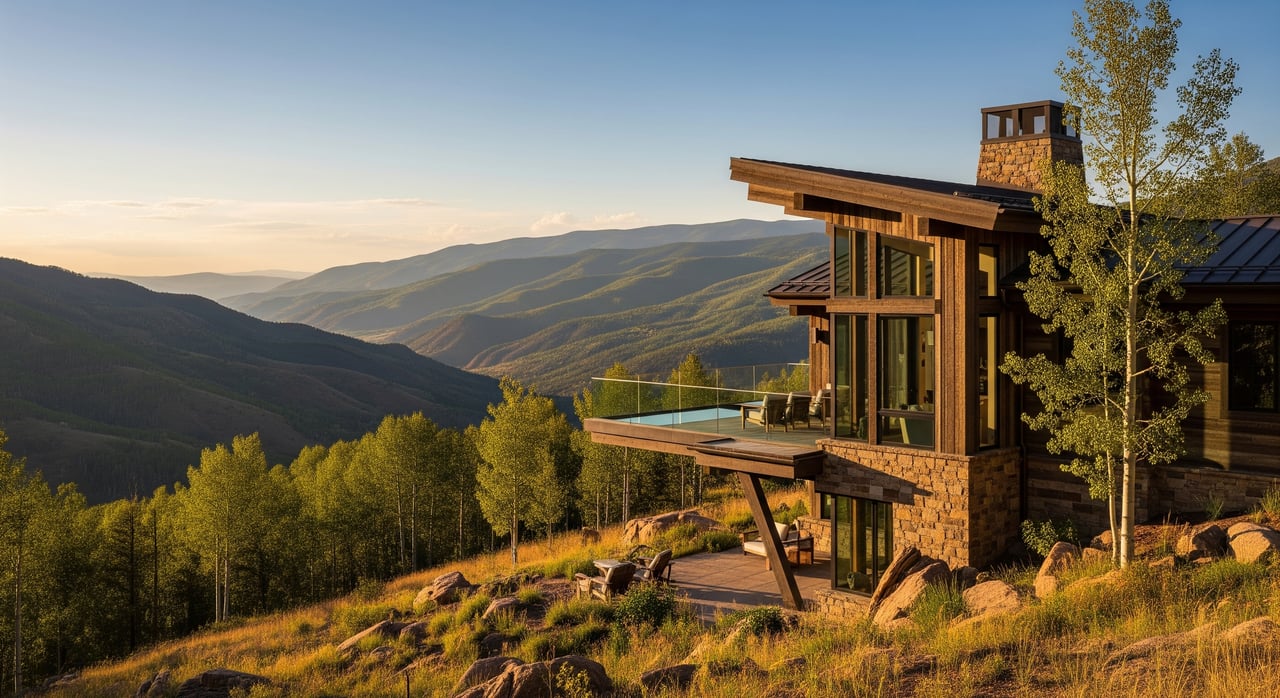
If you are considering a home in Missouri Heights, you are likely weighing two things that shape day-to-day enjoyment and long-term value: the view you wake up to and how private your property feels. In this hillside and ridgeline setting, both can change with seasons and nearby development, which makes a careful evaluation essential. In this guide, you will learn how to read the land, what records to review, and the practical steps you can take to protect or enhance views and privacy. Let’s dive in.
Why views matter here
Missouri Heights sits in Garfield County on varied terrain with hillsides, ridgelines, and valleys. Long-range mountain and valley views are a signature feature, especially where homes are sited on higher elevations. Privacy depends on lot size, setbacks, surrounding development patterns, and vegetation. Seasonal changes also play a role. Leaf-on months can soften sightlines, while leaf-off can open distant views and reduce screening. Winter sun angles and snow cover may further change how exposed a home feels.
Read the land: topography and sightlines
Start with elevation. A home set above its neighbor often enjoys a stronger view shed, but that advantage depends on where future structures can be built. Review slope, ridgeline positions, and potential building pads on adjacent parcels. A neighbor’s permitted envelope may be higher or lower than current improvements, which can change your view.
Sightlines are just as important as elevation. Stand in the living room, kitchen, primary suite, and on decks to note what you see at sitting and standing heights. Photograph these vantage points and mark compass bearings. If you are serious about a property with a high-value panorama, consider a boundary and topographic survey or a viewshed analysis to quantify what is visible and where it could be blocked.
Orientation and seasonal sun
South and west exposures in mountain settings often deliver the strongest winter sun and the broadest long-range views. That can be ideal for light and warmth, especially at higher elevations. Keep seasonal vegetation in mind. Deciduous trees provide good screening in summer but drop leaves in winter, which can reveal both distant views and neighboring homes. Plan your expectations and any improvements with both seasons in mind.
Vegetation and screening strategies
Vegetation is your most natural privacy tool. Mature conifers typically offer year-round screening. Deciduous trees and understory plants can fill gaps and soften views during leaf-on months. When planting, choose species that fit local elevation and drought conditions, and balance screening with wildfire guidance.
Non-vegetative options work well where planting is limited. Consider fences, stone walls, trellises, pergolas, and low earth berms with plantings. Architectural strategies such as clerestory windows, privacy glass, and reoriented outdoor living spaces can boost perceived privacy without sacrificing light.
Easements and protected land
Recorded easements or utility corridors can cut across a lot and limit where you can screen or build. Access easements sometimes require visibility, which affects fencing or tall plantings. On the flip side, conservation easements or adjacency to protected public land can help preserve view corridors by limiting development on neighboring tracts. Always verify boundaries with a survey and confirm any conservation or deed restrictions in title documents and recorded plats.
Wildfire and defensible space
In Colorado’s mountain settings, defensible space is part of responsible ownership. Fuel reduction zones around structures can change how much vegetation is allowed near the house, which affects screening. Follow guidance from the local fire district and the Colorado State Forest Service to select species and spacing that support both safety and privacy. Many properties can achieve good privacy by placing evergreen groupings outside the innermost defensible zones and using hardscape or architectural solutions closer to the home.
Rules and restrictions to check
Local zoning, building codes, and subdivision CCRs or HOA rules may regulate fence heights, retaining walls, exterior alterations, and where structures can be placed. In some areas, ridgeline protection policies influence roof height or siting. Before committing to a plan, confirm the zoning district, setbacks, buildable envelopes, and any design or landscape standards that apply to the parcel and its neighbors.
Infrastructure and site constraints
Roads and driveways can increase visibility into yards and outdoor spaces, especially on curved or elevated approaches. Septic systems, wells, and utility equipment also affect where you can plant, build, or add screening. On sloped sites, drainage patterns and retaining wall needs may further limit your options. If privacy or view protection is part of your decision, factor these constraints into your site plan from the start.
How views affect value
Views and privacy carry real market weight in Missouri Heights. Durable views that look over protected open space or rest on a high ridgeline generally command a premium. Privacy is also valuable, though more subjective. Appraisers often consider view quality and privacy as separate adjustments. The strongest support for value is a set of comparable sales with similar view permanence and seclusion. For sellers, document the vantage points and any protections that limit future obstruction. For buyers, verify what could be built nearby before paying a premium.
Buyer due diligence checklist
Use this quick checklist to confirm what you are buying:
- Obtain parcel maps, the legal description, and a current boundary and topographic survey.
- Review title commitments and recorded plats for easements, rights-of-way, or deed restrictions.
- Check county zoning maps and permitted uses on adjacent parcels to gauge future development potential.
- Walk the property at sunrise and sunset. If timing allows, see it in both leaf-on and leaf-off seasons.
- Photograph view corridors from primary living spaces and decks, and note compass bearings.
- Confirm building permit history on the subject and neighboring lots, and ask about pending permits.
- Evaluate existing trees with a certified arborist if large screening trees are important to privacy.
- Consult the local fire district and the Colorado State Forest Service for defensible space guidance.
- Verify well and septic locations, and note any constraints on planting or structures.
Seller preparation checklist
If you are preparing to list, accurate, transparent documentation builds trust and supports price:
- Specify where views are enjoyed, such as living room, primary suite, and west-facing deck.
- Provide a photo set that captures views at different times of day and, if possible, in both leaf-on and leaf-off seasons.
- Disclose known easements and any nearby approvals or pending permits that could affect views.
- Highlight any adjacent protected lands or recorded restrictions that limit future obstructions.
- Consider modest upgrades that enhance privacy without risking wildfire safety, such as trellises or well-placed evergreens outside inner defensible zones.
- Share surveys and aerials that demonstrate ridgelines, slopes, and sightlines to support view permanence.
Improvement options and costs
Here are practical ways to enhance privacy or protect views, with rough cost ranges to help you budget. Always obtain local bids.
- Vegetative screening: Fast-growing evergreens or hedges provide year-round privacy. Small specimen trees can range from about a hundred dollars to around a thousand dollars each installed. Mature trees cost more and require specialized installation.
- Berms with plantings: Low earth berms create immediate visual breaks when space allows. Costs vary with excavation and plant selection.
- Fencing and walls: Simple wood or chain-link options can be a few thousand dollars depending on length. Higher-end masonry or stone walls can run into the tens of thousands.
- Trellises and pergolas: Vertical screens can provide deck-level privacy without blocking major views. Pair with vines or slatted designs for light control.
- Retaining walls: Expect wide variation by material and slope. As a rough guide, many walls range from about fifty to two hundred dollars per linear foot.
- Professional help: A landscape architect or designer can create a site plan that balances screening with defensible space. Expect several hundred to several thousand dollars for design, plus construction.
- Technical studies: A survey or viewshed analysis can range from a few hundred to several thousand dollars depending on complexity, but it can be invaluable when value hinges on a panorama.
Keep trade-offs in mind. Dense screening can block both unwanted and desirable views. Fire mitigation may limit plantings near structures. CCRs can restrict fence heights and materials. A thoughtful plan integrates vegetation, hardscape, and architecture to achieve privacy while preserving the best vistas.
Work with a local advisor
Evaluating views and privacy in Missouri Heights is part art and part science. You want an advisor who knows the ridgelines, reads county maps quickly, and coordinates the right experts. With deep mid-valley experience and a full-service approach, you can get help sourcing surveys, coordinating arborists and wildfire assessments, and preparing listings that highlight protected view corridors. From buyer representation and relocation guidance to listing preparation through concierge-level services and staging, the right plan will protect your enjoyment today and your resale value tomorrow.
If you are weighing a purchase or planning a sale in Missouri Heights, let’s talk about your goals and the specifics of your property. Connect with Corey Crocker for a confidential home valuation and a tailored plan.
FAQs
How permanent are views in Missouri Heights?
- View permanence depends on adjacent parcel ownership, development potential, recorded easements, and whether the vista spans protected land. Verify zoning, buildable envelopes, and recorded restrictions before you rely on a view.
How can I confirm a neighbor’s future building height?
- Review the neighbor’s zoning, setbacks, and any approved building permits or envelopes. A survey and county permit history can clarify likely pad elevation and roof height.
Can new trees give me immediate privacy?
- Trees take time to mature. Installing larger specimens can speed results but costs more. Select species that fit local conditions and follow wildfire spacing and species guidance.
What permits might I need for screening?
- You may need permits for grading, site disturbance, retaining walls over certain heights, and sometimes fences. Always confirm with county land-use offices and any HOA before you start.
Will an appraiser give value for a view?
- Yes, if a view is attractive and likely durable. Appraisers use comparable sales and may adjust for both view quality and privacy, supported by surveys, aerials, and documentation.
How does wildfire defensible space affect privacy?
- Defensible space often reduces dense vegetation near structures, which can limit screening. Use a mix of hardscape, architectural solutions, and strategic plantings placed outside inner zones to balance safety and privacy.